

English


Hardback
₹2112
₹2467
14.39% OFF
(All inclusive*)
Delivery Options
Please enter pincode to check delivery time.
*COD & Shipping Charges may apply on certain items.
Review final details at checkout.
Looking to place a bulk order? SUBMIT DETAILS
Delivery Options
Please enter pincode to check delivery time.
*COD & Shipping Charges may apply on certain items.
Review final details at checkout.
About The Book
Description
Author
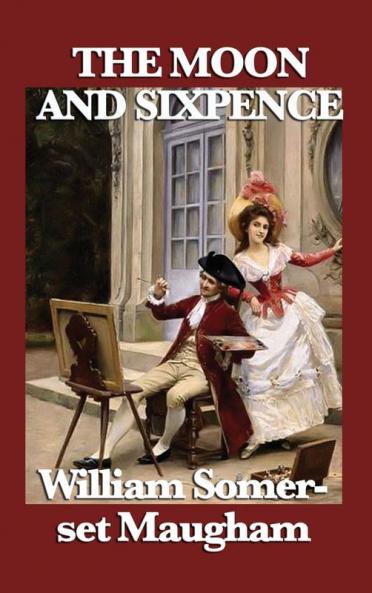
<p><strong>A novel of artistic ambition and personal rupture loosely inspired by the life of Paul Gauguin examining the costs of creative independence.</strong></p><p>First published in 1919 <em>The Moon and Sixpence</em> presents the story of Charles Strickland a London stockbroker who abandons his conventional life in pursuit of painting. The narrative follows his movement from England to Paris and ultimately to the South Pacific tracing a trajectory shaped by detachment from social obligation and an uncompromising commitment to artistic purpose. Maugham employs a restrained narrative voice allowing Strickland's character to emerge through observation and reported encounter rather than direct exposition.</p><p>The novel considers the tension between societal expectation and individual vocation situating artistic creation within a broader framework of moral ambiguity and personal cost. Its settings reflect both metropolitan and colonial environments contributing to a sustained examination of displacement and identity. The work remains a central example of early twentieth-century literary fiction concerned with the figure of the artist and the conditions under which art is produced.</p>

Piracy-free

Assured Quality

Secure Transactions

Fast Delivery

Sustainably Printed
Details
ISBN 13
9781515434634
Publication Date
-03-04-2018
Pages
-192
Weight
-356 grams
Dimensions
-152x229x14.29 mm
