


English



₹999
₹1057
5.49% OFF
(All inclusive*)
Paperback
Delivery Options
Please enter pincode to check delivery time.
*COD & Shipping Charges may apply on certain items.
Review final details at checkout.
Looking to place a bulk order? SUBMIT DETAILS
Delivery Options
Please enter pincode to check delivery time.
*COD & Shipping Charges may apply on certain items.
Review final details at checkout.
About The Book
Description
Author
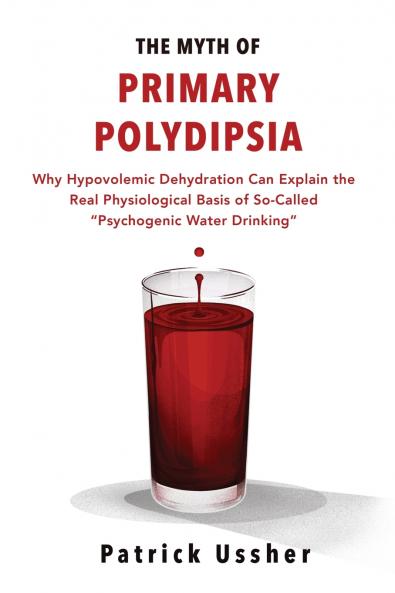
<p><span style=color: rgba(15 17 17 1)>'The diagnosis of compulsive water drinking must be made with care and may represent our ignorance of yet undescribed pathophysiological mechanisms.' - Prof. Daniel Bichet University of Montreal 2017.</span></p><p></p><p><strong style=color: rgba(0 0 0 1)>Primary Polydipsia is widely viewed as compulsive over-drinking without physiological cause often labelled psychogenic and linked to mental illness. This book challenges that assumption head-on.</strong></p><p></p><p><span style=color: rgba(0 0 0 1)>Patrick Ussher traces the origins of the diagnosis to early psychiatry and Freudian ideas-hysteria conversion disorders sexual repression childhood trauma-and shows how these psychological assumptions shaped both diagnostic criteria and clinical understanding for decades. Despite advances in medicine this model has rarely been questioned.</span></p><p><span style=color: rgba(0 0 0 1)>Instead Ussher proposes a new framework:&nbsp;</span><strong style=color: rgba(0 0 0 1)>Hypovolemic Dehydration</strong><span style=color: rgba(0 0 0 1)>-a physiological condition marked by low blood volume and a thirst mechanism that cannot be satisfied by plain water. This mechanism is seen in illnesses such as&nbsp;</span><strong style=color: rgba(0 0 0 1)>ME/CFS POTS and Long Covid</strong><span style=color: rgba(0 0 0 1)> where patients often drink excessive amounts yet remain thirsty and symptomatic. Could many so-called psychogenic water drinkers actually be hypovolemic patients whose real pathology has been overlooked?</span></p><p></p><p><span style=color: rgba(0 0 0 1)>This book argues that&nbsp;</span><strong style=color: rgba(0 0 0 1)>Primary Polydipsia may have been fundamentally misunderstood</strong><span style=color: rgba(0 0 0 1)> placing vulnerable patients at risk of misdiagnosis stigma neurological harm and in rare cases fatal outcomes. It calls clinicians and researchers to re-evaluate the condition with fresh eyes grounded in physiology rather than outdated Freudian theory.</span></p><p><span style=color: rgba(0 0 0 1)>A compelling and timely challenge to medical orthodoxy-essential reading for nephrologists endocrinologists psychiatrists ME/CFS and POTS researchers and anyone interested in diagnostic reform.</span></p><p></p>

Piracy-free

Assured Quality

Secure Transactions

Fast Delivery

Sustainably Printed
Details
ISBN 13
9780947874087
Publication Date
-01-12-2025
Pages
-174
Weight
-244 grams
Dimensions
-152x229x9.43 mm
