

English


₹3291
(All inclusive*)
Paperback
Delivery Options
Please enter pincode to check delivery time.
*COD & Shipping Charges may apply on certain items.
Review final details at checkout.
Looking to place a bulk order? SUBMIT DETAILS
Delivery Options
Please enter pincode to check delivery time.
*COD & Shipping Charges may apply on certain items.
Review final details at checkout.
About The Book
Description
Author
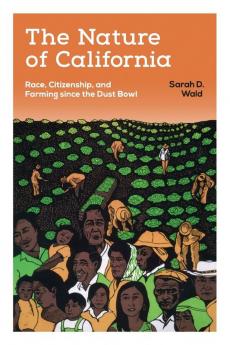
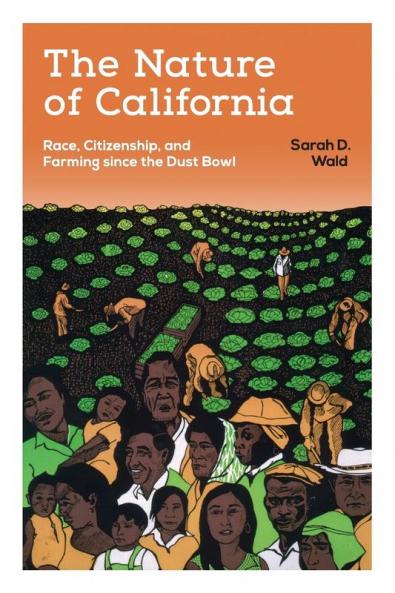
<p>The California farmlands have long served as a popular symbol of America&#8217;s natural abundance and endless opportunity. Yet from John Steinbeck&#8217;s <i>The Grapes of Wrath</i> and Carlos Bulosan&#8217;s <i>America Is in the Heart</i> to Helena Maria Viramontes&#8217;s<i> Under the Feet of Jesus</i> many novels plays movies and songs have dramatized the brutality and hardships of working in the California fields. Little scholarship has focused on what these cultural productions tell us about who belongs in America and in what ways they are allowed to belong. In <i>The Nature of California</i> Sarah Wald analyzes this legacy and its consequences by examining the paradoxical representations of California farmers and farmworkers from the Dust Bowl migration to present-day movements for food justice and immigrant rights.<br/><br/>Analyzing fiction nonfiction news coverage activist literature memoirs and more Wald gives us a new way of thinking through questions of national belonging by probing the relationships among race labor and landownership. Bringing together ecocriticism and critical race theory she pays special attention to marginalized groups examining how Japanese American journalists Filipino workers United Farm Workers members and contemporary immigrants-rights activists among others pushed back against the standard narratives of landownership and citizenship.</p>

Piracy-free

Assured Quality

Secure Transactions

Fast Delivery

Sustainably Printed
Details
ISBN 13
9780295995670
Publication Date
-02-05-2016
Pages
-312
Weight
-425 grams
Dimensions
-152x229x17.77 mm
