


This Book is Out of Stock!


₹3756
₹4840
22.4% OFF
(All inclusive*)
Paperback
Delivery Options
*COD & Shipping Charges may apply on certain items.
Review final details at checkout.
Looking to place a bulk order? SUBMIT DETAILS
*COD & Shipping Charges may apply on certain items.
Review final details at checkout.
₹3756
₹4840
22% OFF
Paperback
Out Of Stock
All inclusive*
About The Book
Description
Author(s)
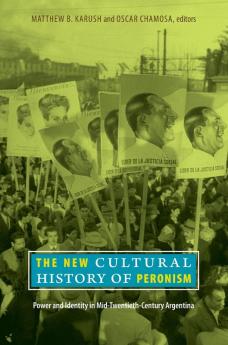
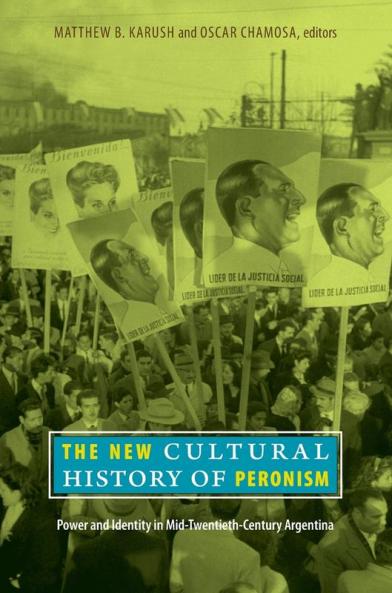
<div>In nearly every account of modern Argentine history the first Peronist regime (1946-55) emerges as the critical juncture. Appealing to growing masses of industrial workers Juan Perón built a powerful populist movement that transformed economic and political structures promulgated new conceptions and representations of the nation and deeply polarized the Argentine populace. Yet until now most scholarship on Peronism has been constrained by a narrow top-down perspective. Inspired by the pioneering work of the historian Daniel James and new approaches to Latin American cultural history scholars have recently begun to rewrite the history of mid-twentieth-century Argentina. <i>The New Cultural History of Peronism</i> brings together the best of this important new scholarship.<p>Situating Peronism within the broad arc of twentieth-century Argentine cultural change the contributors focus on the interplay of cultural traditions official policies commercial imperatives and popular perceptions. They describe how the Perón regime's rhetoric and representations helped to produce new ideas of national and collective identity. At the same time they show how Argentines pursued their interests through their engagement with the Peronist project and in so doing pushed the regime in new directions. While the volume's emphasis is on the first Perón presidency one contributor explores the origins of the regime and two others consider Peronism's transformations in subsequent years. The essays address topics including mass culture and melodrama folk music pageants social respectability architecture and the intense emotional investment inspired by Peronism. They examine the experiences of women indigenous groups middle-class anti-Peronists internal migrants academics and workers. By illuminating the connections between the state and popular consciousness <i>The New Cultural History of Peronism</i> exposes the contradictions and ambivalences that have characterized Argentine populism.</p><p><i>Contributors</i>: Anahi Ballent Oscar Chamosa María Damilakou Eduardo Elena Matthew B. Karush Diana Lenton Mirta Zaida Lobato Natalia Milanesio Mariano Ben Plotkin César Seveso Lizel Tornay</p></div>

Piracy-free

Assured Quality

Secure Transactions

Fast Delivery

Sustainably Printed
Details
ISBN 13
9780822347385
Publication Date
-21-05-2010
Pages
-320
Weight
-459 grams
Dimensions
-156x235x17 mm
