


English




₹676
₹1233
45.17% OFF
(All inclusive*)
Paperback
Delivery Options
Please enter pincode to check delivery time.
*COD & Shipping Charges may apply on certain items.
Review final details at checkout.
Looking to place a bulk order? SUBMIT DETAILS
Delivery Options
Please enter pincode to check delivery time.
*COD & Shipping Charges may apply on certain items.
Review final details at checkout.
About The Book
Description
Author
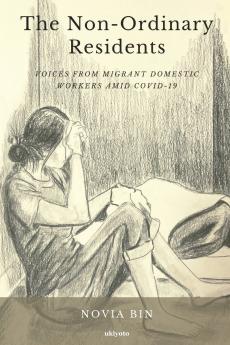
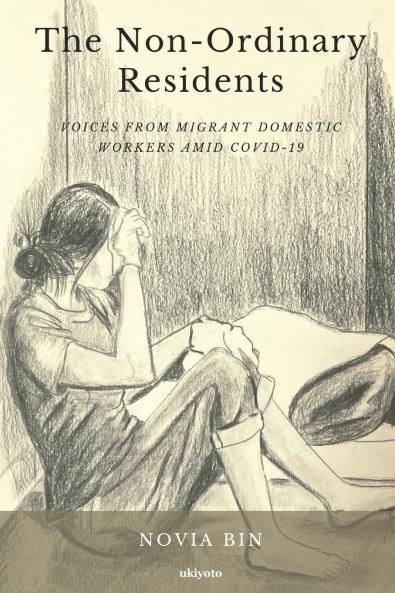
<p class=ql-align-justify><span style=color: rgba(0 0 0 1)>Migrant domestic workers most of whom are women have long been </span></p><p class=ql-align-justify><span style=color: rgba(0 0 0 1)>subjected to overwork underpayment and modern slavery. During the </span></p><p class=ql-align-justify><span style=color: rgba(0 0 0 1)>COVID-19 pandemic when governments all over the world urged the public </span></p><p class=ql-align-justify><span style=color: rgba(0 0 0 1)>to stay at home it means something different to those domestic workers </span></p><p class=ql-align-justify><span style=color: rgba(0 0 0 1)>who are required to live with their employers as their so-called homes in </span></p><p class=ql-align-justify><span style=color: rgba(0 0 0 1)>a foreign society are actually their workplace. This book invites us to hear </span></p><p class=ql-align-justify><span style=color: rgba(0 0 0 1)>the voices from domestic workers in Hong Kong. Apart from sharing their </span></p><p class=ql-align-justify><span style=color: rgba(0 0 0 1)>stories as migrant domestic workers in Hong Kong they also shared their </span></p><p class=ql-align-justify><span style=color: rgba(0 0 0 1)>work experience in Singapore Taiwan Saudi Arabia and the UK which </span></p><p class=ql-align-justify><span style=color: rgba(0 0 0 1)>indicates that their vulnerability is across borders. </span></p><p class=ql-align-justify><span style=color: rgba(0 0 0 1)>Through joining domestic workers' Sunday gatherings informal observation </span></p><p class=ql-align-justify><span style=color: rgba(0 0 0 1)>and conducting multiple in-depth informal interviews with more than 20 </span></p><p class=ql-align-justify><span style=color: rgba(0 0 0 1)>Filipino and Indonesian domestic workers in Hong Kong amid COVID-19 </span></p><p class=ql-align-justify><span style=color: rgba(0 0 0 1)>Novia Bin traces these domestic workers' life trajectories documents their </span></p><p class=ql-align-justify><span style=color: rgba(0 0 0 1)>experiences struggles opinions and wishes aiming to present their untold </span></p><p class=ql-align-justify><span style=color: rgba(0 0 0 1)>stories as well as activism. This book discusses how poverty and social </span></p><p class=ql-align-justify><span style=color: rgba(0 0 0 1)>exclusion lead to migrant domestic workers' powerless situation and how </span></p><p class=ql-align-justify><span style=color: rgba(0 0 0 1)>many of them are persistent in fighting for their human rights and labour </span></p><p class=ql-align-justify><span style=color: rgba(0 0 0 1)>rights. Beyond that it also explores other identities of the domestic workers </span></p><p class=ql-align-justify><span style=color: rgba(0 0 0 1)>who could be artists photographers writers union leaders gifted language </span></p><p class=ql-align-justify><span style=color: rgba(0 0 0 1)>learners and activists. Without using any theories and jargon this book </span></p><p class=ql-align-justify><span style=color: rgba(0 0 0 1)>tries to include readers from outside of academia. Anyone who cares about </span></p><p class=ql-align-justify><span style=color: rgba(0 0 0 1)>universal human rights could be a potential reader of this book.</span></p>

Piracy-free

Assured Quality

Secure Transactions

Fast Delivery

Sustainably Printed
Details
ISBN 13
9789367951224
Publication Date
-26-09-2024
Pages
-232
Weight
-320 grams
Dimensions
-152x229x13.41 mm
