


This Book is Out of Stock!
English


Hardback
₹2147
₹3000
28.44% OFF
(All inclusive*)
Delivery Options
*COD & Shipping Charges may apply on certain items.
Review final details at checkout.
Looking to place a bulk order? SUBMIT DETAILS
*COD & Shipping Charges may apply on certain items.
Review final details at checkout.
₹2147
₹3000
28% OFF
Hardback
Out Of Stock
All inclusive*
About The Book
Description
Author
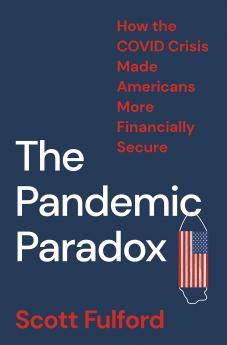
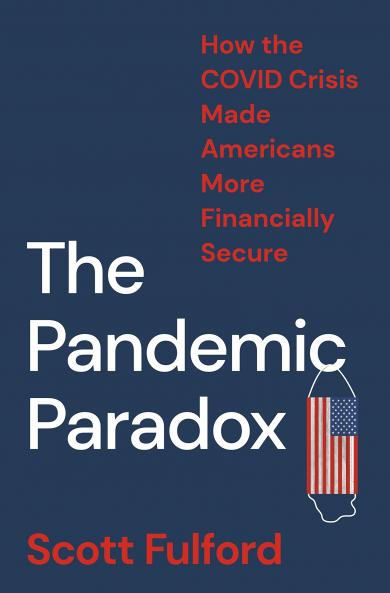
<p><b>Why most Americans' finances improved during the worst economic contraction since the Great Depression--and the policy choices that made this possible</b> <p/>In March 2020 economic and social life across the United States came to an abrupt halt as the country tried to slow the spread of COVID-19. In the worst economic contraction since the Great Depression twenty-two million people lost their jobs between mid-March and mid-April of 2020. And yet somehow the finances of most Americans improved during the pandemic--savings went up debts went down and fewer people had trouble paying their bills. In <i>The Pandemic Paradox</i> economist Scott Fulford explains this seeming contradiction describing how the pandemic reshaped the American economy. As Americans grappled with remote work essential work and closed schools three massive pandemic relief bills starting with the CARES Act on March 27 2020 managed to protect many of America's most vulnerable. <p/>Fulford draws from the Consumer Financial Protection Bureau's Making Ends Meet surveys--which he helped design--to interweave macroeconomic trends in spending saving and debt with stories of individual Americans' economic lives during the pandemic. We meet Winona who quit her job to take care of her children; Marvin who retired early and worried that his savings wouldn't last; Lisa whose expenses went up after her grown kids (and their dog) moved back home; and many others. What the statistics and the stories show Fulford argues is that a better fairer more productive economy is still possible. The success of pandemic relief policy proves that Americans' economic fragility is not an unsolvable problem. But we have to choose to solve it.</p>

Piracy-free

Assured Quality

Secure Transactions

Fast Delivery

Sustainably Printed
Details
ISBN 13
9780691245324
Publication Date
-16-05-2023
Pages
-392
Weight
-771 grams
Dimensions
-156x235x24.93 mm
