

Eng


₹2727
₹2973
8.27% OFF
(All inclusive*)
Hardback
Delivery Options
Please enter pincode to check delivery time.
*COD & Shipping Charges may apply on certain items.
Review final details at checkout.
Looking to place a bulk order? SUBMIT DETAILS
Delivery Options
Please enter pincode to check delivery time.
*COD & Shipping Charges may apply on certain items.
Review final details at checkout.
About The Book
Description
Author
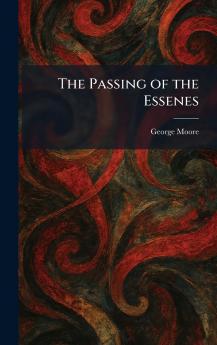
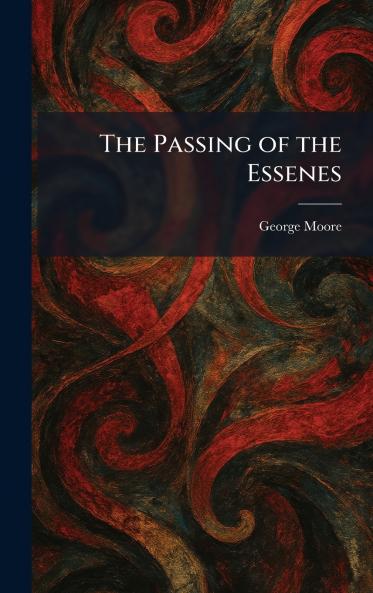
<p>The Passing of the Essenes is a compelling dramatic work by George Moore that explores a provocative reimagining of New Testament history. Set in the years following the crucifixion the play centers on a momentous encounter between the apostle Paul and a man named Jesus who has survived the cross and sought refuge within a secluded community of Essenes in the hills of Judea.</p><p>This thought-provoking drama delves into the profound tension between the mystical foundations of a burgeoning faith and the lived reality of its central figure. As Paul travels through the region preaching the gospel of the risen Christ his unexpected meeting with the aging contemplative Jesus challenges his theological convictions and forces a confrontation with the nature of truth and legend. Moore's work is characterized by its lyrical dialogue and deep psychological insight offering a nuanced meditation on spirituality the burden of leadership and the human search for peace.</p><p>Expanding upon themes from Moore's earlier literary inquiries The Passing of the Essenes remains a significant contribution to 20th-century drama. It provides a unique lens through which to view the early development of Christianity blending historical curiosity with dramatic intensity to create a timeless reflection on the power of belief.</p><p>This work has been selected by scholars as being culturally important and is part of the knowledge base of civilization as we know it. This work was reproduced from the original artifact and remains as true to the original work as possible. Therefore you may see the original copyright references library stamps (as most of these works have been housed in our most important libraries around the world) and other notations in the work.</p><p>This work is in the public domain in the United States of America and possibly other nations. Within the United States you may freely copy and distribute this work as no entity (individual or corporate) has a copyright on the body of the work.</p><p>As a reproduction of a historical artifact this work may contain missing or blurred pages poor pictures errant marks etc. Scholars believe and we concur that this work is important enough to be preserved reproduced and made generally available to the public. We appreciate your support of the preservation process and thank you for being an important part of keeping this knowledge alive and relevant.</p>

Piracy-free

Assured Quality

Secure Transactions

Fast Delivery

Sustainably Printed
Details
ISBN 13
9781025893426
Publication Date
-14-02-2026
Pages
-110
Weight
-261 grams
Dimensions
-156x234x7.94 mm
