

English


₹8822
(All inclusive*)
Hardback
Delivery Options
Please enter pincode to check delivery time.
*COD & Shipping Charges may apply on certain items.
Review final details at checkout.
Looking to place a bulk order? SUBMIT DETAILS
Delivery Options
Please enter pincode to check delivery time.
*COD & Shipping Charges may apply on certain items.
Review final details at checkout.
About The Book
Description
Author(s)
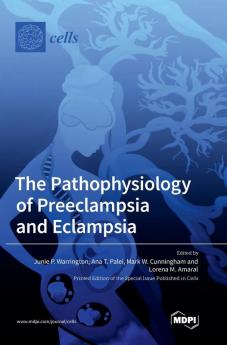
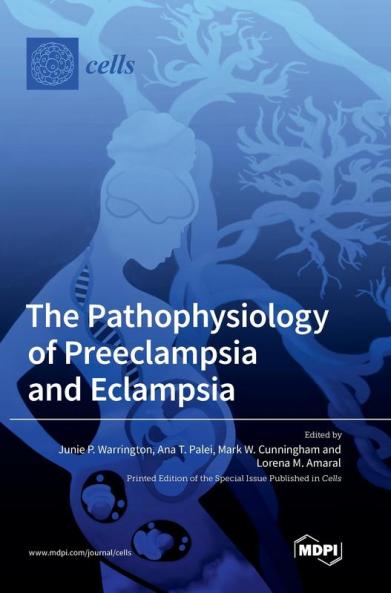
<p>Preeclampsia is a hypertensive disorder of pregnancy diagnosed after the 20th week of gestation in women experiencing new-onset hypertension along with symptoms affecting the liver kidneys or brain. In some cases women with preeclampsia develop novel seizures or unexplained coma at which time they are diagnosed with eclampsia. The mechanisms contributing to preeclampsia and eclampsia are not fully elucidated although the placenta seems to play a critical role. Previous studies suggest that improper placentation stimulates mitochondrial dysfunction and the exaggerated release of placental-derived molecules including inflammatory cytokines anti-angiogenic factors reactive oxygen species and cell-free nucleic acids into the maternal circulation that cause systemic vascular dysfunction. These along with maternally derived molecules act in concert leading to hypertension and target organ damage during pregnancies complicated by preeclampsia and eclampsia.</p><p>In this reprint we present the original research articles and review papers published as part of the Special Issue: The Pathophysiology of Preeclampsia and Eclampsia in <em>Cells.</em></p>

Piracy-free

Assured Quality

Secure Transactions

Fast Delivery

Sustainably Printed
Details
ISBN 13
9783036564111
Publication Date
-31-01-2023
Pages
-334
Weight
-645 grams
Dimensions
-170x244x26.99 mm
