

English


Hardback
₹7037
₹7311
3.75% OFF
(All inclusive*)
Delivery Options
Please enter pincode to check delivery time.
*COD & Shipping Charges may apply on certain items.
Review final details at checkout.
Looking to place a bulk order? SUBMIT DETAILS
Delivery Options
Please enter pincode to check delivery time.
*COD & Shipping Charges may apply on certain items.
Review final details at checkout.
About The Book
Description
Author(s)
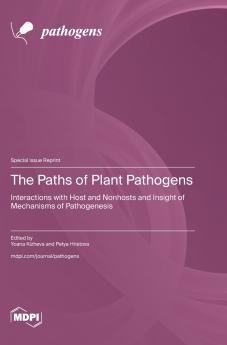
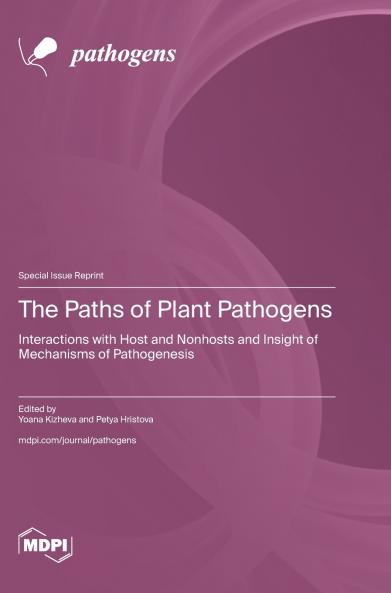
<p>Plant diseases caused by pathogenic microbes and parasitic plants are considered a major problem leading to great yield and economical loses. Of serious interest during recent decades are the interaction between phytopathogenic microbes and animal cross-over pathogens with their host and nonhosts and their ability to jump between them. For some pathogens the host range is well studied while for the others it is not. Unexpected pathogenic microorganisms can be found in unusual places and the questions is-can they switch to a pathogenic life cycle in organisms differently than their susceptible hosts? Moreover the ability of some parasitic plants to act as vectors for phytopathogenic bacteria viruses and fungi is another concerning issue that warrants extensive study.</p><p>Gaining and summarizing knowledge about the molecular mechanisms that microbes use to infect host and non-host plants-or simply to use plants as natural reservoirs-is essential for identifying and managing potential environmental threats. Additionally it is proposed that animal pathogens inhabit plants as an obligatory stage of their life cycle. Therefore can the plant environment play a key role and stimulate the pathogen to switch into a pathogenic cycle even if it is not its natural host? Microbes are capable of adapting to new environmental niches. Our focus is on the prevalence and the ability of pathogenic organisms to moderate their mechanisms in order to expand the number of their potential hosts.</p>

Piracy-free

Assured Quality

Secure Transactions

Fast Delivery

Sustainably Printed
Details
ISBN 13
9783725855896
Publication Date
-12-11-2025
Pages
-186
Weight
-415 grams
Dimensions
-170x244x15.88 mm
