


English



Paperback
₹2989
₹3557
15.97% OFF
(All inclusive*)
Delivery Options
Please enter pincode to check delivery time.
*COD & Shipping Charges may apply on certain items.
Review final details at checkout.
Looking to place a bulk order? SUBMIT DETAILS
Delivery Options
Please enter pincode to check delivery time.
*COD & Shipping Charges may apply on certain items.
Review final details at checkout.
About The Book
Description
Author
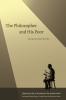
<div>What has philosophy to do with the poor? If as has often been supposed the poor have no time for philosophy then why have philosophers always made time for them? Why is the history of philosophy-from Plato to Karl Marx to Jean-Paul Sartre to Pierre Bourdieu-the history of so many figures of the poor: plebes men of iron the demos artisans common people proletarians the masses? Why have philosophers made the shoemaker in particular a remarkably ubiquitous presence in this history? Does philosophy itself depend on this thinking about the poor? If so can it ever refrain from thinking <i>for</i> them?<p>Jacques Rancière's <i>The Philosopher and His Poor</i> meditates on these questions in close readings of major texts of Western thought in which the poor have played a leading role-sometimes as the objects of philosophical analysis sometimes as illustrations of philosophical argument. Published in France in 1983 and made available here for the first time in English this consummate study assesses the consequences for Marx Sartre and Bourdieu of Plato's admonition that workers should do nothing else than their own work. It offers innovative readings of these thinkers' struggles to elaborate a philosophy of the poor. Presenting a left critique of Bourdieu the terms of which are largely unknown to an English-language readership <i>The Philosopher and His Poor</i> remains remarkably timely twenty years after its initial publication.</p></div>

Piracy-free

Assured Quality

Secure Transactions

Fast Delivery

Sustainably Printed
Details
ISBN 13
9780822332749
Publication Date
-23-04-2004
Pages
-278
Weight
-380 grams
Dimensions
-152x229x15.92 mm
