


This Book is Out of Stock!
English


₹5297
₹7850
32.52% OFF
(All inclusive*)
Hardback
Delivery Options
*COD & Shipping Charges may apply on certain items.
Review final details at checkout.
Looking to place a bulk order? SUBMIT DETAILS
*COD & Shipping Charges may apply on certain items.
Review final details at checkout.
₹5297
₹7850
32% OFF
Hardback
Out Of Stock
All inclusive*
About The Book
Description
Author
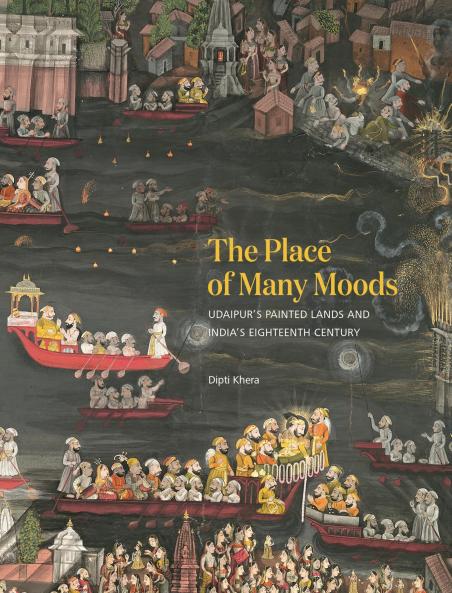
<p><b>A look at the painting traditions of northwestern India in the eighteenth century and what they reveal about the political and artistic changes of the era</b> <p/>In the long eighteenth century artists from Udaipur a city of lakes in northwestern India specialized in depicting the vivid sensory ambience of its historic palaces reservoirs temples bazaars and durbars. As Mughal imperial authority weakened by the late 1600s and the British colonial economy became paramount by the 1830s new patrons and mobile professionals reshaped urban cultures and artistic genres across early modern India. <i>The Place of Many Moods</i> explores how Udaipur's artworks--monumental court paintings royal portraits Jain letter scrolls devotional manuscripts cartographic artifacts and architectural drawings--represent the period's major aesthetic intellectual and political shifts. Dipti Khera shows that these immersive objects powerfully convey the <i>bhava</i>--the feel emotion and mood--of specific places revealing visions of pleasure plenitude and praise. These memorialized moods confront the ways colonial histories have recounted Oriental decadence shaping how a culture and time are perceived. <p/>Illuminating the close relationship between painting and poetry and the ties among art architecture literature politics ecology trade and religion Khera examines how Udaipur's painters aesthetically enticed audiences of courtly connoisseurs itinerant monks and mercantile collectives to forge bonds of belonging to real locales in the present and to long for idealized futures. Their pioneering pictures sought to stir such emotions as love awe abundance and wonder emphasizing the senses spaces and sociability essential to the efficacy of objects and expressions of territoriality. <p/><i>The Place of Many Moods</i> uncovers an influential creative legacy of evocative beauty that raises broader questions about how emotions and artifacts operate in constituting history and subjectivity politics and place.</p>

Piracy-free

Assured Quality

Secure Transactions

Fast Delivery

Sustainably Printed
Details
ISBN 13
9780691201849
Publication Date
-29-09-2020
Pages
-232
Weight
-490 grams
Dimensions
-203x267x15.57 mm
