

English


Paperback
₹207
₹300
31% OFF
(All inclusive*)
Delivery Options
Please enter pincode to check delivery time.
*COD & Shipping Charges may apply on certain items.
Review final details at checkout.
Looking to place a bulk order? SUBMIT DETAILS
Delivery Options
Please enter pincode to check delivery time.
*COD & Shipping Charges may apply on certain items.
Review final details at checkout.
About The Book
Description
Author
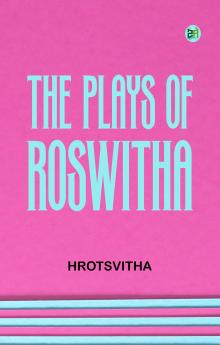
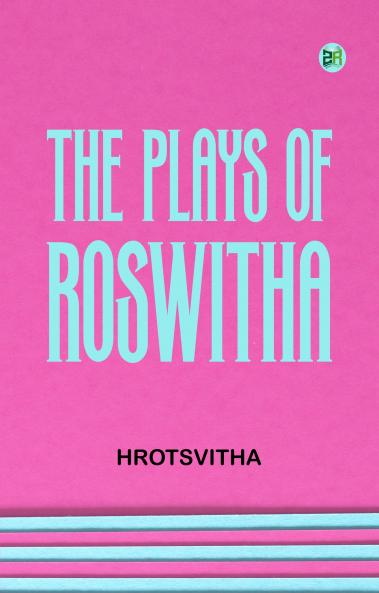
The Plays of Roswitha written by Hrotsvitha of Gandersheim consists of six Latin plays that are considered among the earliest known plays written by a woman. Hrotsvitha a Benedictine nun from the Holy Roman Empire is often seen as a pioneering figure in Christian literature. Her works are deeply influenced by the theological and moral ideals of her time offering dramatic stories that combine religious themes with classical models of drama particularly drawing on the style of the Roman playwright Terence. However Hrotsvitha’s plays also reflect her own Christian values as she adapted the comic form of Terence’s work to present Christian teachings. The plays cover a range of themes including the power of faith the dignity of women and the triumph of virtue over vice. In Dulcitus for example Hrotsvitha tells the story of three Christian virgins who resist the advances of a Roman governor embodying themes of chastity and spiritual strength. In Callimachus a similar theme of Christian piety triumphing over paganism is explored. Through her characters Hrotsvitha explores the tension between earthly desires and spiritual salvation often placing her characters in situations that test their moral fortitude.

Piracy-free

Assured Quality

Secure Transactions

Fast Delivery

Sustainably Printed
Details
ISBN 13
9789364543682
Publication Date
-10-01-2025
Pages
-149
Weight
-184 grams
Dimensions
-139.7x215.9x8.64 mm
