

English


₹4820
₹5074
5.01% OFF
(All inclusive*)
Paperback
Delivery Options
Please enter pincode to check delivery time.
*COD & Shipping Charges may apply on certain items.
Review final details at checkout.
Looking to place a bulk order? SUBMIT DETAILS
Delivery Options
Please enter pincode to check delivery time.
*COD & Shipping Charges may apply on certain items.
Review final details at checkout.
About The Book
Description
Author
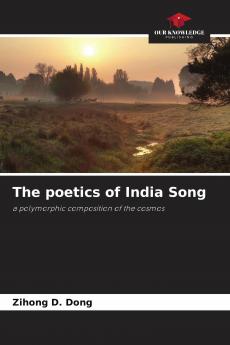
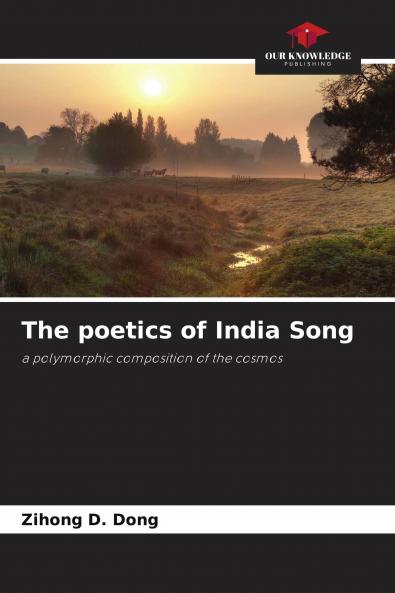
How through the cinematographic medium can we construct an ancient history without giving it back? A grotesque question no doubt but at the same time a pertinent one when one is confronted with the filmic work of Marguerite Duras: India Song a 1974 production the most fictional perhaps the most splendid too among many of the writer's film experiments. By its inherent characteristics of bifurcation between the narrative sound and the schematized visual between the factitiousness of the figures and the surrounding dynamism or between the somnolent autonomy and the turn to virtual tendency of the diachrony the film puts forward a properly affective memento in which are condensed in crystalline images the novelistic preoccupations of the writer of the 1970s: desire and madness itinerant vacuity stagnation and the darkening of causality. More than a thoughtful shooting this spherical structuring of transcendence and sensitivity invites aesthetic enthusiasts not so much to question it as to mix narrative perspectives aimed at meditating on the experience of an existential detachment.

Piracy-free

Assured Quality

Secure Transactions

Fast Delivery

Sustainably Printed
Details
ISBN 13
9786205789919
Publication Date
-13-03-2023
Pages
-136
Weight
-195 grams
Dimensions
-150x220x7.59 mm
