

English


₹11524
(All inclusive*)
Hardback
Delivery Options
Please enter pincode to check delivery time.
*COD & Shipping Charges may apply on certain items.
Review final details at checkout.
Looking to place a bulk order? SUBMIT DETAILS
Delivery Options
Please enter pincode to check delivery time.
*COD & Shipping Charges may apply on certain items.
Review final details at checkout.
About The Book
Description
Author
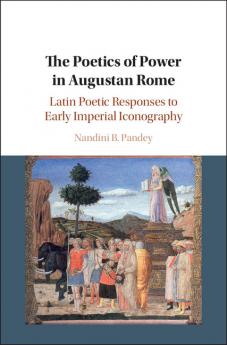
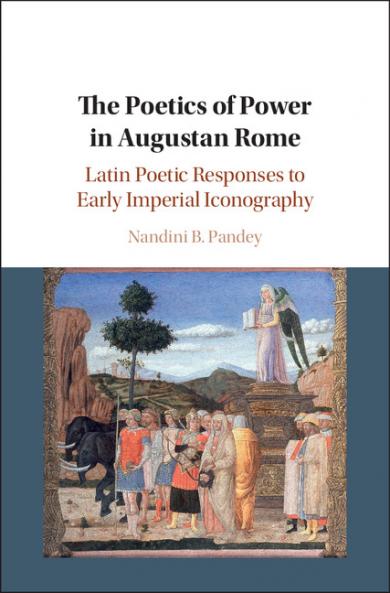
A revisionary re-examination of Augustan ''propaganda'' as the product of dynamic critical interactions among Roman audiences artists and poets from Vergil to Ovid. It sheds new light on the meaning and perception of political iconography for scholars and students of this pivotal period in Roman history literature and culture.

Piracy-free

Assured Quality

Secure Transactions

Fast Delivery

Sustainably Printed
Details
ISBN 13
9781108422659
Publication Date
-11-10-2018
Pages
-318
Weight
-521 grams
Dimensions
-152x229x19.05 mm
