

English


Hardback
₹2400
(All inclusive*)
Delivery Options
Please enter pincode to check delivery time.
*COD & Shipping Charges may apply on certain items.
Review final details at checkout.
Looking to place a bulk order? SUBMIT DETAILS
Delivery Options
Please enter pincode to check delivery time.
*COD & Shipping Charges may apply on certain items.
Review final details at checkout.
About The Book
Description
Author
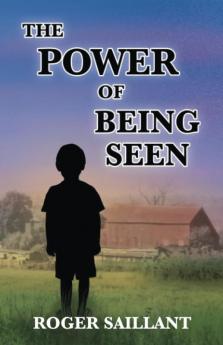
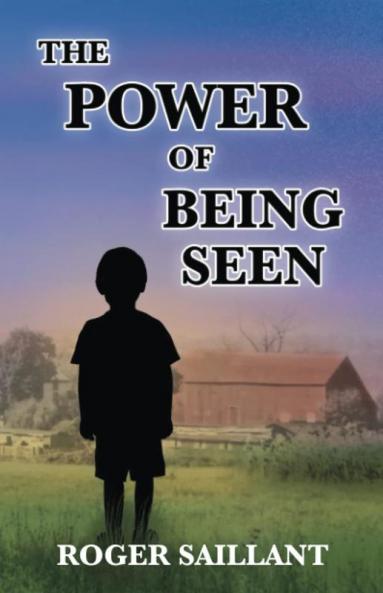
<p>We all have a need to be seen. There are significant diferences in developmental outcomes</p><p>between children who are seen and those who are unseen.</p><p>Statistics paint an ugly picture for the fate of foster children: about 40-50 percent of aged-out</p><p>children become homeless within 18 months; almost 50 percent of prison inmates have been in</p><p>foster homes; and foster children suffer six times the rate of PTSD found in the general</p><p>population.</p><p><br></p><p>Author Roger Saillant was a product of the foster care system in the 1950s. In this poignant</p><p>memoir he describes his journey with no shortage of emotional baggage constantly doubting</p><p>himself and wondering why he is being moved from place to place. Why doesn't anybody want</p><p>him? Did he do something wrong? What's the matter with him? He lives life on a farm where</p><p>the only thing that matters to his foster father is whether his work gets done - with no regard</p><p>for the typical nurturing and experiences of a growing child.</p><p><br></p><p>In The Power of Being Seen Roger Saillant describes acutely his feelings of abandonment</p><p>helplessness anger resentment and hopelessness to the point of contemplating suicide but</p><p>the values instilled by many caring adults make this a story of optimism vision creativity</p><p>courage sensitivity and most of all inspiration.</p>

Piracy-free

Assured Quality

Secure Transactions

Fast Delivery

Sustainably Printed
Details
ISBN 13
9781955568128
Publication Date
-01-10-2022
Pages
-302
Weight
-500 grams
Dimensions
-152x229x17.46 mm
