



This Book is Out of Stock!
English




Hardback
₹15551
₹18960
17.98% OFF
(All inclusive*)
Delivery Options
*COD & Shipping Charges may apply on certain items.
Review final details at checkout.
Looking to place a bulk order? SUBMIT DETAILS
*COD & Shipping Charges may apply on certain items.
Review final details at checkout.
₹15551
₹18960
17% OFF
Hardback
Out Of Stock
All inclusive*
About The Book
Description
Author
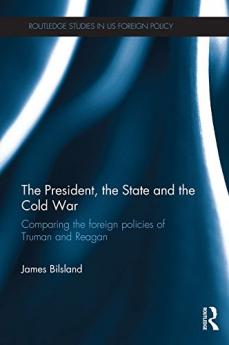
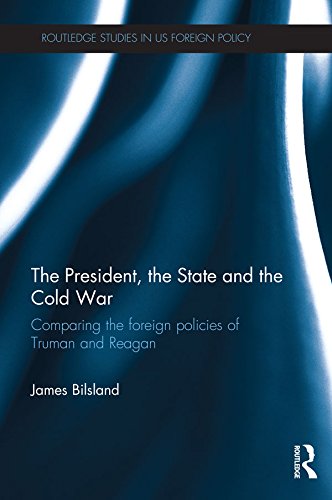
<p>US foreign policy during the Cold War has been analysed from a number of perspectives generating large bodies of literature attempting to explain its origins its development and its conclusion. However there are still many questions left only partially explained. In large part this is because these accounts restrict themselves to a single level of analysis either the international system or the structure of the state and society. The first level of analysis focusing on the role of individuals has largely been excluded.</p><p>This book argues that structural theories and any approach that limits itself to one level of analysis are inadequate to explain the development of US foreign policy. Instead it is necessary to incorporate the first level of analysis in order to bring human agency back and provide a more detailed explanation of US foreign policy. Bilsland proposes an analytical framework which incorporates presidential agency into a multi-level analysis of US foreign policy during the Cold War constructing a multi-level case study comparison of the foreign policies of Presidents Truman and Reagan. He argues that the worldview of the president is central to agenda setting in US foreign policy making and that the management style of the president influences both decision-making and the implementation of US foreign policy. Evidence to support this is drawn from detailed empirical analysis of Truman’s foreign policy of containment in Korea and Reagan’s foreign policy of rollback in Nicaragua. </p><p>This work will be of interest to students and scholars of US Foreign Policy US History and International Relations</p>

Piracy-free

Assured Quality

Secure Transactions

Fast Delivery

Sustainably Printed
Details
ISBN 13
9781138818316
Publication Date
-11-02-2015
Pages
-236
Weight
-434 grams
Dimensions
-156x234x14.12 mm
