

English


₹214
₹225
4.89% OFF
(All inclusive*)
Paperback
Delivery Options
Please enter pincode to check delivery time.
*COD & Shipping Charges may apply on certain items.
Review final details at checkout.
Looking to place a bulk order? SUBMIT DETAILS
Delivery Options
Please enter pincode to check delivery time.
*COD & Shipping Charges may apply on certain items.
Review final details at checkout.
About The Book
Description
Author
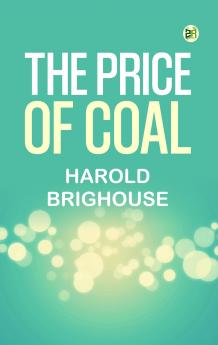
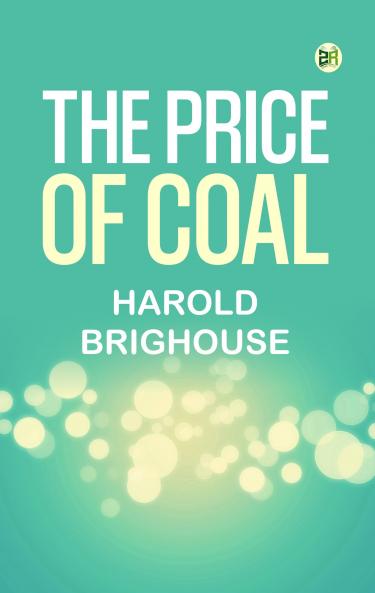
The play examines the economic pressures that drive miners to work under grueling conditions often for meager wages and contrasts these realities with the interests of the mine owners who prioritize profit over safety and well-being. Brighouse captures the resilience and camaraderie of the mining community showing how they unite to support each other in the face of frequent accidents health hazards and financial insecurity. Through its realistic characters and setting The Price of Coal serves as a critique of industrial exploitation and the disparity between laborers and the wealthy. It resonates as a call for better working conditions and fair treatment reflecting Brighouse’s concern with social justice and the dignity of ordinary lives. The play’s themes of sacrifice and solidarity continue to make it relevant as an examination of class and labor struggles.

Piracy-free

Assured Quality

Secure Transactions

Fast Delivery

Sustainably Printed
Details
ISBN 13
9789363878839
Publication Date
-10-01-2025
Pages
-41
Weight
-61 grams
Dimensions
-139.7x215.9x2.85 mm
