

by
Shimba
English


₹1543
₹1632
5.45% OFF
(All inclusive*)
Paperback
Delivery Options
Please enter pincode to check delivery time.
*COD & Shipping Charges may apply on certain items.
Review final details at checkout.
Looking to place a bulk order? SUBMIT DETAILS
Delivery Options
Please enter pincode to check delivery time.
*COD & Shipping Charges may apply on certain items.
Review final details at checkout.
About The Book
Description
Author
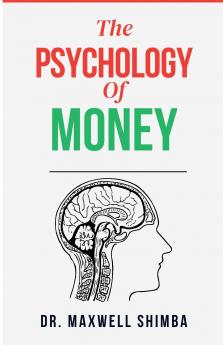
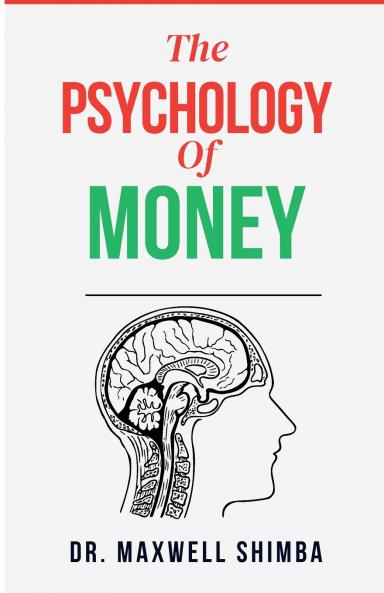
<p>The Psychology of Money</p><p>The Psychology of Money by Dr. Maxwell Shimba delves deep into the intricate relationship between human behavior and financial decision-making. This book aims to provide readers with a comprehensive understanding of the psychological factors that influence how we handle money. By blending theoretical insights with practical strategies Dr. Shimba offers a nuanced perspective on personal finance that goes beyond traditional economic theories. He argues that our financial outcomes are not just a product of our income or investment choices but are profoundly shaped by our mindsets emotions and societal influences.</p><p>One of the central themes of the book is the distinction between a scarcity mindset and an abundance mindset. Dr. Shimba explains that individuals with a scarcity mindset view resources as limited and finite leading to behaviors driven by fear competition and short-term thinking. Conversely those with an abundance mindset see opportunities and possibilities fostering a sense of optimism collaboration and long-term planning. By shifting from a scarcity to an abundance mindset readers can transform their approach to money leading to better financial decisions and greater overall well-being.</p><p>Dr. Shimba also explores various budgeting strategies such as zero-based budgeting and the 50/30/20 rule. These methods are designed to help individuals take control of their finances by allocating their income in a structured and purposeful manner. Zero-based budgeting for example involves planning every dollar of income and assigning it to specific expenses savings or debt repayment. The 50/30/20 rule on the other hand provides a balanced approach by dividing income into needs wants and savings. These strategies are presented with practical tips and real-world examples making them accessible and easy to implement.</p><p>Cognitive biases and emotional influences are another critical focus of the book. Dr. Shimba discusses how biases like overconfidence loss aversion and anchoring can lead to irrational financial decisions. Emotions such as fear greed and regret also play a significant role in shaping our financial behaviors. By understanding and addressing these psychological factors readers can make more rational and informed choices ultimately leading to better financial outcomes. The book provides techniques for recognizing and mitigating these biases helping readers develop a more objective approach to money management.</p><p>Social and cultural factors are also examined in The Psychology of Money. Dr. Shimba highlights how our financial behaviors are influenced by family background societal norms and cultural values. These influences can shape our attitudes towards saving spending and investing often subconsciously. By becoming aware of these factors readers can develop a more conscious approach to their financial decisions aligning them with their personal values and long-term goals. This understanding is crucial for creating a financial strategy that is both effective and personally fulfilling.</p><p>Finally Dr. Shimba emphasizes the importance of financial education and continuous learning. In an ever-evolving financial landscape staying informed and adaptable is key to achieving long-term financial success. The Psychology of Money provides readers with the knowledge and tools needed to navigate their financial journeys confidently. By combining insights from psychology economics and personal finance Dr. Shimba offers a holistic approach that empowers readers to take control of their finances and build a prosperous future. This book is an essential read for anyone looking to deepen their understanding of money and improve their financial well-being.</p>

Piracy-free

Assured Quality

Secure Transactions

Fast Delivery

Sustainably Printed
Details
ISBN 13
9798330491421
Publication Date
-15-10-2024
Pages
-212
Weight
-256 grams
Dimensions
-140x216x11.38 mm
