

by
王明珂
Chinese


Paperback
₹3964
(All inclusive*)
Delivery Options
Please enter pincode to check delivery time.
*COD & Shipping Charges may apply on certain items.
Review final details at checkout.
Looking to place a bulk order? SUBMIT DETAILS
Delivery Options
Please enter pincode to check delivery time.
*COD & Shipping Charges may apply on certain items.
Review final details at checkout.
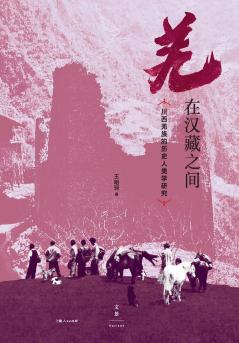
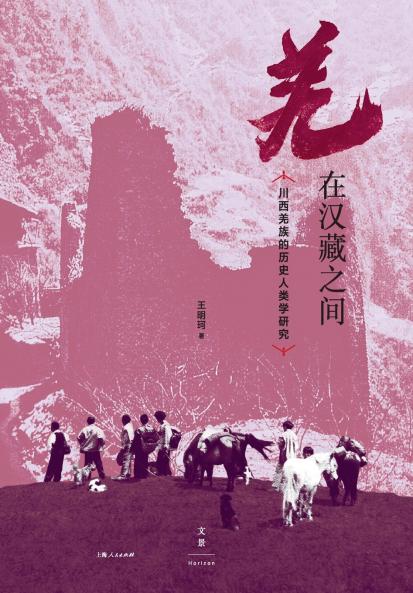
About The Book
Description
Author
This work interweaves a decade of fieldwork with the millennial roots of the Qiang people examines the formation and evolution of the Chinese periphery and interrogates new interpretations of ethnicity and history.十年田野深入羌民千年根脉,剖视华夏边缘的形成演进,诘问民族历史之新解The Qiang Between Han and Tibetan is one of the representative works of the historical anthropologist Wang Ming-ke. Over more than a decade the author repeatedly conducted fieldwork in the mountainous settlements of the Qiang people within the Min River and Jian River basins of western Sichuan specifically spanning areas such as Wenchuan Maoxian Lixian Beichuan and Songpan. His approach involved multi-sited and mobile ethnographic investigation.Building upon the collected field texts and rich historical archives Wang Ming-ke uses the Qiang as a case study to deeply explore the origins of ethnicity and the integration and transformation of peoples along the periphery of Huaxia (Chinese civilization). He formulates creative historical-anthropological theoretical concepts such as each segment scolding the next poisonous cat and heroic ancestors and brother peoples.The book is divided into three parts-Society History and Culture-which respectively examine identity and distinction within Qiang social structure the formation of canonical narratives and historical mentality in Qiang history and cultural reinvention and performance under ethnic identity.Wang Ming-ke argues that the Qiang are simultaneously an ancient people perceived by others as having existed for three thousand years and a modern ethnic group whose name and historical narrative have only become self-consciously known to its members in recent decades. Like all other minzu (ethnic groups) the Qiang are both a creation of history and a creator of history. From the Hehuang Qiang of the Han Dynasty and the various Xishan Qiang of the Tang Dynasty to the Qiang people of the first half of the 20th century and the contemporary Qiang minzu all are products of historical facts and historical memory. In turn they have responded to dominant narratives through various representations and actions contributing to historical realities-such as interactions with the medieval Chinese dynasties and the Tibetan Empire-thereby shaping their internal ethnic identity. It is within this interplay of history and History that the Qiang have become a fluid and shifting margin between Han and Tibetan.《羌在汉藏之间》为历史人类学家王明珂的代表作之一。作者王明珂在十余年内反复出入四川省西部岷江和湔江流域高山峡谷中的羌族聚居区,具体包括汶川、茂县、理县、北川、松潘等地,进行了多点、移动的田野考察。基于考察所得的田野文本,以及丰富的历史档案资料,王明珂以羌为案例,深入讨论了民族由来问题,以及华夏边缘族群的融合变迁,提炼出一截骂一截毒药猫英雄祖先与弟兄民族等具有创造性的历史人类学理论概括。全书分为社会篇历史篇文化篇三个部分,分别讨论了羌族社会结构中的认同与区分、羌族历的典范叙事与历史心性的形成、族群认同下的文化再造与展演。王明珂认为,羌既是一个在他者眼中存续三千年的古老民族,又是一个族名和历史叙事在近几十年才为族人所自知的新兴民族。与所有其他民族一样,羌既是历史的创作物,也是历史的创作者。从汉代的河湟西羌、唐代的西山诸羌,到20世纪前半叶的羌民,以及当今的羌族,都是历史事实与历史记忆的创作物,而他们也以各种表征与行动回应主流叙事,促成种种历史事实,如中古与唐朝、吐蕃对抗,并借此完成族群的内部塑造。正是在这样的历史与历史中,羌成为了汉藏之间模糊的、

Piracy-free

Assured Quality

Secure Transactions

Fast Delivery

Sustainably Printed
Details
ISBN 13
9787208172791
Publication Date
-01-11-2021
Pages
-508
Weight
-812 grams
Dimensions
-170x244x35.06 mm
