

by
HOLLOWAY
English


Hardback
₹18011
₹18591
3.12% OFF
(All inclusive*)
Delivery Options
Please enter pincode to check delivery time.
*COD & Shipping Charges may apply on certain items.
Review final details at checkout.
Looking to place a bulk order? SUBMIT DETAILS
Delivery Options
Please enter pincode to check delivery time.
*COD & Shipping Charges may apply on certain items.
Review final details at checkout.
About The Book
Description
Author
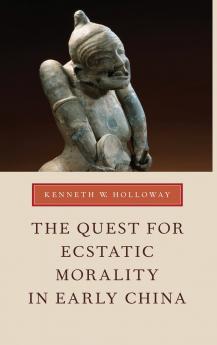
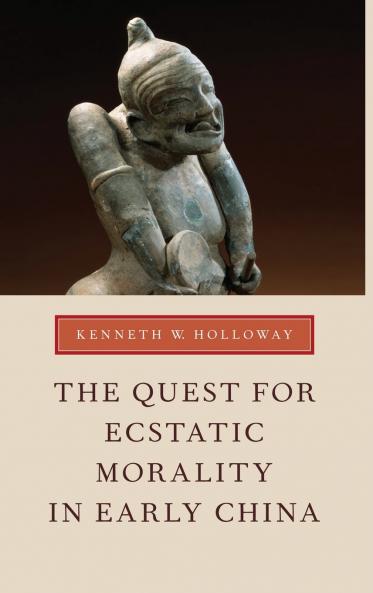
There is an intense love of freedom evident in the Xing zi mingchu a text last seen when it was buried in a Chinese tomb in 300 B.C.E. It tells us that both joy and sadness are the ecstatic zenith of what the text terms qing. Combining emotions into qing allows them to serve as a stepping stone to the Dao the transcendent source of morality for the world. There is a process one must follow to prepare qing: it must be beautified by learning from the classics written by ancient sages. What is absent from the process is any indication that the emotions themselves need to be suppressed or regulated as is found in most other texts from this time. The Confucian principles of humanity and righteousness are not rejected but they are seen as needing our qing and the Dao. Holloway argues that the Dao here is the same Dao of Laozi''s Daode jing. As a missing link between what came to be called Confucianism and Daoism the Xing zi mingchu is changing the way we look at the history of religion in early China.

Piracy-free

Assured Quality

Secure Transactions

Fast Delivery

Sustainably Printed
Details
ISBN 13
9780199744824
Publication Date
-22-06-2017
Pages
-174
Weight
-349 grams
Dimensions
-156x234x11.11 mm
