


English


₹4671
₹5362
12.89% OFF
(All inclusive*)
Paperback
Delivery Options
Please enter pincode to check delivery time.
*COD & Shipping Charges may apply on certain items.
Review final details at checkout.
Looking to place a bulk order? SUBMIT DETAILS
Delivery Options
Please enter pincode to check delivery time.
*COD & Shipping Charges may apply on certain items.
Review final details at checkout.
About The Book
Description
Author
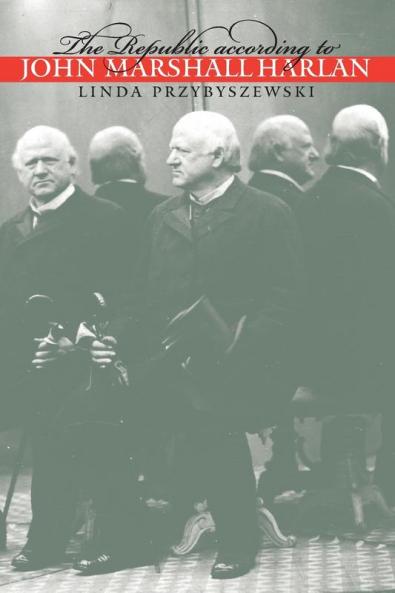
Supreme Court Justice John Marshall Harlan (1833-1911) is best known for condemning racial segregation in his dissent from <i>Plessy v. Ferguson</i> in 1896 when he declared Our Constitution is color-blind. But in other judicial decisions - as well as in some areas of his life - Harlan's actions directly contradicted the essence of his famous statement. Similarly Harlan was called the people's judge for favoring income tax and antitrust laws yet he also upheld doctrines that benefited large corporations.<br/><br/>Examining these and other puzzles in Harlan's judicial career Linda Przybyszewski draws on a rich array of previously neglected sources - including the verbatim transcripts of his 1897-98 lectures on constitutional law his wife's 1915 memoirs and a compilation of opinions drawn up by Harlan himself that he wanted republished. Her thoughtful examination demonstrates how Harlan inherited the traditions of paternalism nationalism and religious faith; how he reshaped these traditions in light of his experiences as a lawyer political candidate and judge; and how he justified the vision of the law he wrote.<br/><br/>An innovative combination of personal and judicial biography this book makes an insightful contribution to American constitutional and intellectual history.

Piracy-free

Assured Quality

Secure Transactions

Fast Delivery

Sustainably Printed
Details
ISBN 13
9780807847893
Publication Date
-27-09-1999
Pages
-302
Weight
-432 grams
Dimensions
-156x234x17.23 mm
