


English
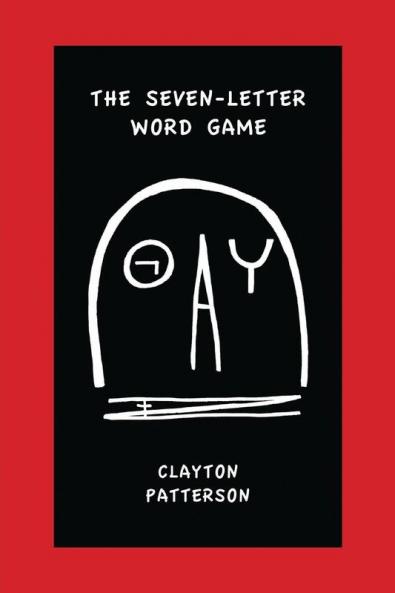


Paperback
₹1736
₹1740
0.23% OFF
(All inclusive*)
Delivery Options
Please enter pincode to check delivery time.
*COD & Shipping Charges may apply on certain items.
Review final details at checkout.
Looking to place a bulk order? SUBMIT DETAILS
Delivery Options
Please enter pincode to check delivery time.
*COD & Shipping Charges may apply on certain items.
Review final details at checkout.
About The Book
Description
Author
<p>Clayton ascribes to the idea that an artist can translate any activity into a work of art. His seven-letter drawings are one example. He's got lots more.</p><p>Growing up in Calgary Canada Clayton knew he wanted to be an artist from early on. He met Elsa Rensaa at the Alberta College of Art and Design in 1972 and they've been together since. That was the year Elsa gave him his first camera.</p><p>In 1979 they moved to New York City to work in a printmaking shop. Clayton had successful solo sculpture shows in Soho the epicenter of the art world at the time and his work sold to good collections including the Brooklyn Museum. But he and Elsa felt like outsiders in the commodified corporate celebrity-hyped Soho scene of the 80s. They withdrew and from then on they would make art their own way while encouraging others to do the same.</p><p>They lived at first on Broome Street then Bowery; then in 1983 they bought the small building at 161 Essex Street on the Lower East Side. They lived on the second floor over an Hispanic dressmaking shop. Compared to Soho we found the Lower East Side totally liberating he has written. You could be whoever you wanted to be do whatever you wanted to do. Nobody was going to stop you. Everyone was in the same boat. Elsa has said it was like Disneyland to us everything new and interesting.</p><p>Following their own path meant inventing ways to make a living while making art. You know how everybody in the world wears a baseball cap? Elsa and Clayton bear some large responsibility for that. In the mid-80s Elsa began embroidering Clayton's designs on baseball caps inventing a whole new art form and fashion the Clayton Hat. As more and more celebrities wore them -- Mick Jagger Matt Dillon David Hockney Rob Reiner -- the fashion press caught the buzz and they soon had a thriving cottage industry that was an important source of income for them.</p><p>My work and life how I live and what I do are all parts of my artist's journey Clayton says. We transformed those baseball caps into small sculptures and they were every bit as much works of art as any sculpture in an art gallery.</p><p>In 2021 Clayton's images would catch on in fashion again as a Supreme line of Clayton-designed caps jackets shirts and jeans sold out practically overnight.</p><p>The income from Clayton Hats gave him to time to spend walking the neighborhood taking pictures. He became an obsessive ubiquitous documenter of Lower East Side life. He's taken hundreds of thousands of pictures compiling a unique archive in which one can find Crips and Bloods bikers dope crews drag queens homeless men and hookers punks and eccentrics artists and lots and lots of neighborhood kids mostly Latino. He posed many subjects in front of his richly graffiti-tagged front door and began posting some of these portrait photos in the storefront window beside the door which got to be known around the neighborhood as the Hall of Fame. He also built up a collection of neighborhood ephemera including heroin bags he picked up off the streets graffiti stickers he peeled off walls books articles posters postcards and tattoo flash much of it rare.</p><p>Photographing at the Pyramid Club in the mid-1980s he met Nelson Sullivan who introduced him to the handheld video<strong style=color: rgba(251 166 14 1)> </strong>camera new technology at the time. Video opened a new dimension in his documenting of Lower East Side life. Between photography and videography he covered all aspects of neighborhood action: drug use drug busts police actions fires marches protests riots art and artists drag queens poetry readings community board meetings social gatherings Judaica and synagogues Hari Krishnas tattoos bands performances street fairs doorways and so on.</p>

Piracy-free

Assured Quality

Secure Transactions

Fast Delivery

Sustainably Printed
Details
ISBN 13
9781887276573
Publication Date
-25-11-2021
Pages
-136
Weight
-195 grams
Dimensions
-152x229x7.39 mm
