


English



Paperback
₹1696
₹1870
9.3% OFF
(All inclusive*)
Delivery Options
Please enter pincode to check delivery time.
*COD & Shipping Charges may apply on certain items.
Review final details at checkout.
Looking to place a bulk order? SUBMIT DETAILS
Delivery Options
Please enter pincode to check delivery time.
*COD & Shipping Charges may apply on certain items.
Review final details at checkout.
About The Book
Description
Author
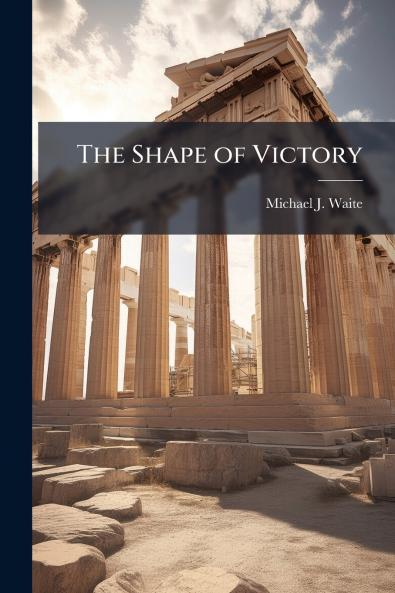
<p>How applicable is ancient history to the contemporary environment? Is there an immutable nature to strategy? This analysis answers these questions using Alexander the Great as a lens to relate the historically unique to general patterns in strategic experience. This investigation proposes a strategy analysis model that encapsulates the reciprocal nature of strategy defined by leverage and translation. Translation transforms political policy to set conditions and mold the environment to posture for tactical success. Leverage then subsequently takes those tactical victories and turns them into strategic effects. The framework of the analysis model is formed by dimensions of strategy in three categories: society preparation for war and the conduct of war proper. These dimensions are the same for all periods and all times. The only difference is their relative influence and manipulation in relation to an adversary. In that regard some of these dimensions are leveraging (increase strategic options) and some are mitigating (decrease freedom of maneuver). Leveraging dimensions create or expose enemy vulnerabilities and mitigating dimensions expose friendly vulnerabilities. The manner and degree to which these dimensions create these effects depends on principles of strategy. The astute statesman or general maximizes linear principles and balances dyadic principles for a coherent and successful strategy. Finally this investigation applies this model more precisely to four of Alexander's campaigns: Granicus Issus Gaugamela and Hydaspes. The analysis concludes that not only is ancient history a relevant guide to the contemporary strategic environment but Alexander is an exemplary model for a disciplined study of both strategy and history.</p><p>This work has been selected by scholars as being culturally important and is part of the knowledge base of civilization as we know it. This work was reproduced from the original artifact and remains as true to the original work as possible. Therefore you will see the original copyright references library stamps (as most of these works have been housed in our most important libraries around the world) and other notations in the work.</p><p>This work is in the public domain in the United States of America and possibly other nations. Within the United States you may freely copy and distribute this work as no entity (individual or corporate) has a copyright on the body of the work.</p><p>As a reproduction of a historical artifact this work may contain missing or blurred pages poor pictures errant marks etc. Scholars believe and we concur that this work is important enough to be preserved reproduced and made generally available to the public. We appreciate your support of the preservation process and thank you for being an important part of keeping this knowledge alive and relevant.</p>

Piracy-free

Assured Quality

Secure Transactions

Fast Delivery

Sustainably Printed
Details
ISBN 13
9781288369782
Publication Date
-29-11-2012
Pages
-90
Weight
-141 grams
Dimensions
-156x234x4.84 mm
