






₹683
(All inclusive*)
Paperback
Delivery Options
Please enter pincode to check delivery time.
*COD & Shipping Charges may apply on certain items.
Review final details at checkout.
Looking to place a bulk order? SUBMIT DETAILS
Delivery Options
Please enter pincode to check delivery time.
*COD & Shipping Charges may apply on certain items.
Review final details at checkout.
About The Book
Description
Author(s)
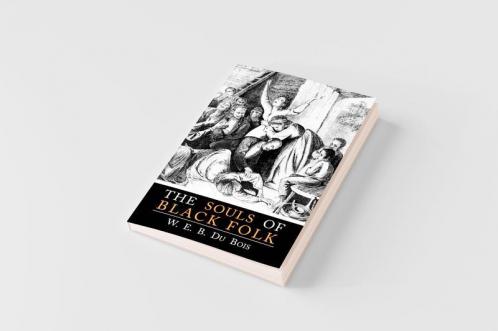
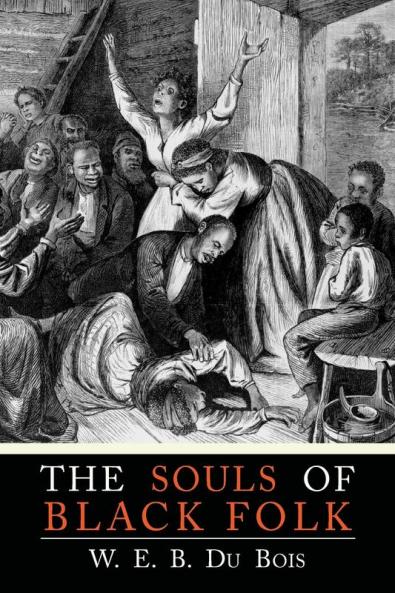
<p>2017 Reprint of 1903 Edition. In <em>Living Black History</em> Du Bois&#39;s biographer Manning Marable observes: &ldquo;Few books make history and fewer still become foundational texts for the movements and struggles of an entire people. <em>The Souls of Black Folk</em> occupies this rare position. It helped to create the intellectual argument for the black freedom struggle in the twentieth century. &quot;Souls&quot; justified the pursuit of higher education for Negroes and thus contributed to the rise of the black middle class. By describing a global color-line Du Bois anticipated pan-Africanism and colonial revolutions in the Third World. &nbsp;Moreover this stunning critique of how &#39;race&#39; is lived through the normal aspects of daily life is central to what would become known as &#39;whiteness studies&#39; a century later.&rdquo;&nbsp; The Souls of Black Folk is a classic work of American literature by W. E. B. Du Bois. It is a seminal work in the history of sociology and a cornerstone of African-American literary history.</p><p>The book first published in 1903 contains several essays on race some of which the magazine <em>Atlantic Monthly</em> had previously published. To develop this work Du Bois drew from his own experiences as an African American in the American society. Outside of its notable relevance in African-American history <em>The Souls of Black Folk</em> also holds an important place in social science as one of the early works in the field of sociology.</p><p>Contents:&nbsp; Of our spiritual strivings -- Of the dawn of freedom -- Of Mr. Booker T. Washington and others -- Of the meaning of progress -- Of the wings of Atalanta -- Of the training of black men -- Of the black belt -- Of the quest of the golden fleece -- Of the sons of master and man -- Of the faith of the fathers -- Of the passing of the first-born -- Of Alexander Crummell -- Of the coming of John -- The sorrow songs.</p>

Piracy-free

Assured Quality

Secure Transactions

Fast Delivery

Sustainably Printed
Details
ISBN 13
9781684221622
Publication Date
-30-10-2017
Pages
-174
Weight
-257 grams
Dimensions
-156x234x10.19 mm
