


This Book is Out of Stock!
English



Hardback
₹7163
₹8075
11.29% OFF
(All inclusive*)
Delivery Options
*COD & Shipping Charges may apply on certain items.
Review final details at checkout.
Looking to place a bulk order? SUBMIT DETAILS

Piracy-free

Assured Quality

Secure Transactions
About The Book
Description
Author
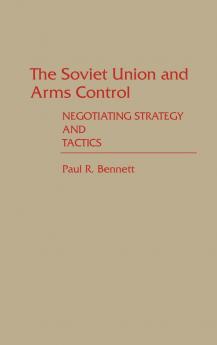
In an age of nuclear arms diplomacy Westerners still lack a deep understanding of how the Russians negotiate. Much has been written about Soviet negotiating tactics--especially in light of the recent INF Treaty--but there has been no systematic way of analyzing the Soviet record. The Soviet Union and Arms Control provides a coherent penetrating model for understanding Soviet negotiating tactics strategies and modes--based not merely on impressions but on carefully analyzed case studies. Through this analysis Westerners can begin to understand the different types of Soviet negotiating behavior and the factors that influence Soviet decision-making.This book systematically sorts and organizes the existing literature on Soviet tactics--supplemented by interviews with former U.S. negotiators--into a coherent theory. The book''s first two chapters examine Soviet negotiating modes strategies and tactics and two different models of the Soviet process of decision-making. The final two chapters explore two case studies--The Brezhnev Era: SALT II 1972-1974; and The Gorbachev Era: Nuclear and Space Talks 1985-1988--that provide a practical test of the theories. These two case studies trace Soviet diplomacy stage-by-stage and issue-by-issue demonstrating that internal politics in the Soviet Union has a lesser effect on negotiations than considerations of the Soviet national interest.
Piracy-free
Assured Quality
Secure Transactions
*COD & Shipping Charges may apply on certain items.
Review final details at checkout.
₹7163
₹8075
11% OFF
Hardback
Out Of Stock
All inclusive*
Details
ISBN 13
9780275931681
Publication Date
-11-12-1989
Pages
-204
Weight
-390 grams
Dimensions
-156x234x12.7 mm
