

English




Paperback
₹1164
(All inclusive*)
Delivery Options
Please enter pincode to check delivery time.
*COD & Shipping Charges may apply on certain items.
Review final details at checkout.
Looking to place a bulk order? SUBMIT DETAILS
Delivery Options
Please enter pincode to check delivery time.
*COD & Shipping Charges may apply on certain items.
Review final details at checkout.
About The Book
Description
Author
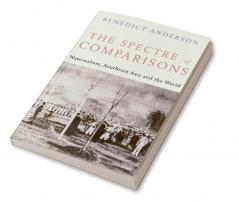
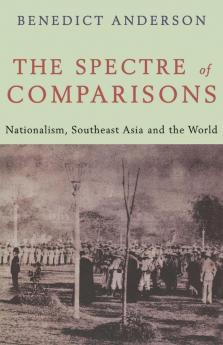
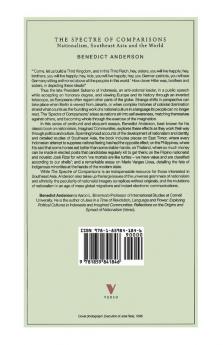
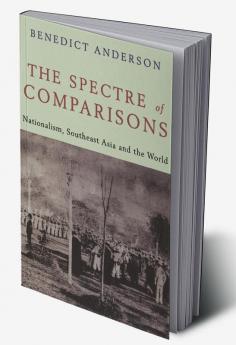
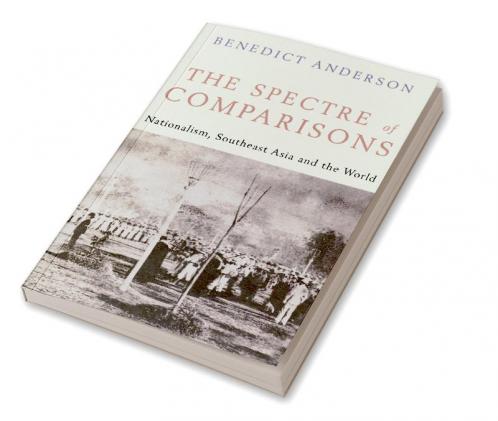
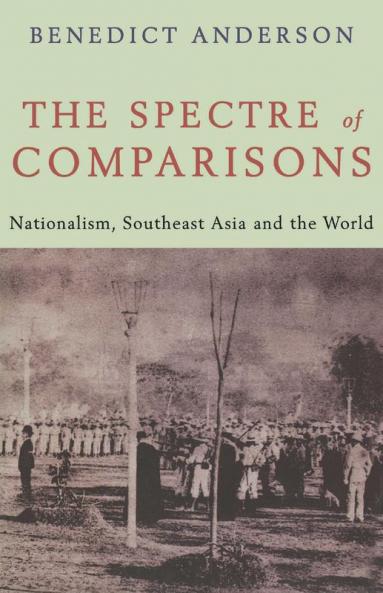
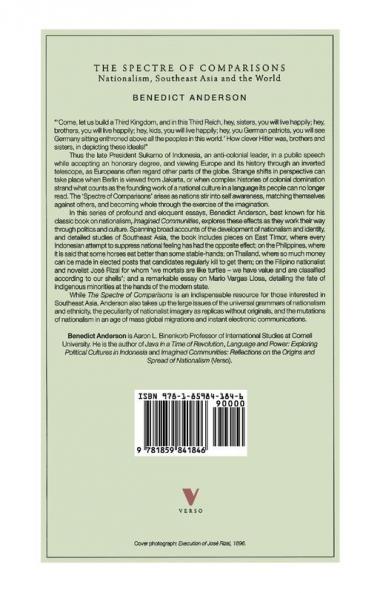
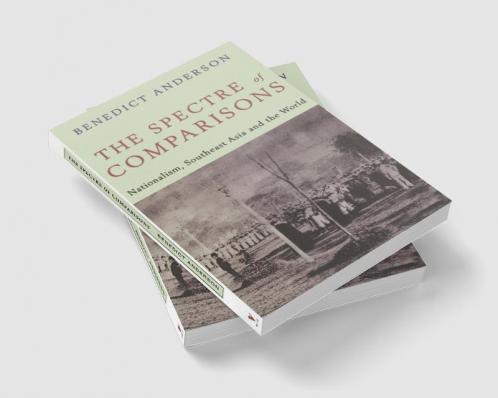
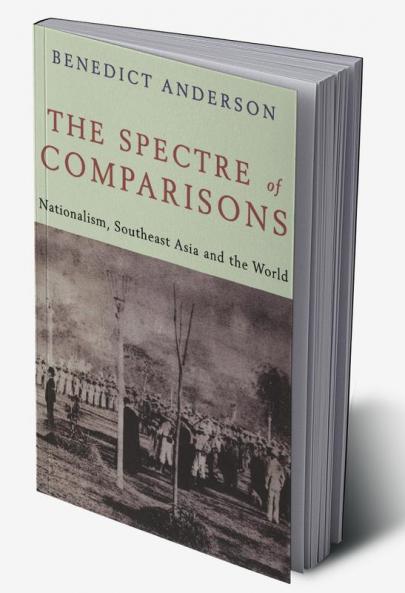
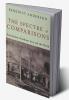
“‘Come let us build a Third Kingdom and in this Third Reich hey sisters you will live happily; hey brothers you will live happily; hey kids you will live happily; hey you German patriots you will see Germany sitting enthroned above all the peoples in this world.’ How clever Hitler was brothers and sisters in depicting these ideals!”Thus the late President Sukarno of Indonesia an anti-colonial leader in a public speech while accepting an honorary degree and viewing Europe and its history through an inverted telescope as Europeans often regard other parts of the globe. Strange shifts in perspective can take place when Berlin is viewed from Jakarta or when complex histories of colonial domination strand what counts as the founding work of a national culture in a language its people no longer read. The “spectre of comparisons” arises as nations stir into self awareness matching themselves against others and becoming whole through the exercise of the imagination.In this series of profound and eloquent essays Benedict Anderson best known for his classic book on nationalism <i>Imagined Communities</i> explores these effects as they work their way through politics and culture. Spanning broad accounts of the development of nationalism and identity and detailed studies of Southeast Asia the book includes pieces on East Timor where every Indonesian attempt to suppress national feeling has had the opposite effect; on the Philippines where it is said that some horses eat better than stable-hands; on Thailand where so much money can be made in elected posts that candidates regularly kill to get them; on the Filipino nationalist and novelist José Rizal for whom “we mortals are like turtles—we have value and are classified according to our shells;” and a remarkable essay on Mario Vargas Llosa detailing the fate of indigenous minorities at the hands of the modern state.While <i>The Spectre of Comparisons</i> is an indispensable resource for those interested in Southeast Asia Anderson also takes up the large issues of the universal grammars of nationalism and ethnicity the peculiarity of nationalist imagery as replicas without originals and the mutations of nationalism in an age of mass global migrations and instant electronic communications.

Piracy-free

Assured Quality

Secure Transactions

Fast Delivery

Sustainably Printed
Details
ISBN 13
9781859841846
Publication Date
-17-09-1998
Pages
-384
Weight
-519 grams
Dimensions
-152x229x21.19 mm
