




This Book is Out of Stock!
English



Hardback
₹4432
₹5185
14.52% OFF
(All inclusive*)
Delivery Options
*COD & Shipping Charges may apply on certain items.
Review final details at checkout.
Looking to place a bulk order? SUBMIT DETAILS

Piracy-free

Assured Quality

Secure Transactions
About The Book
Description
Author
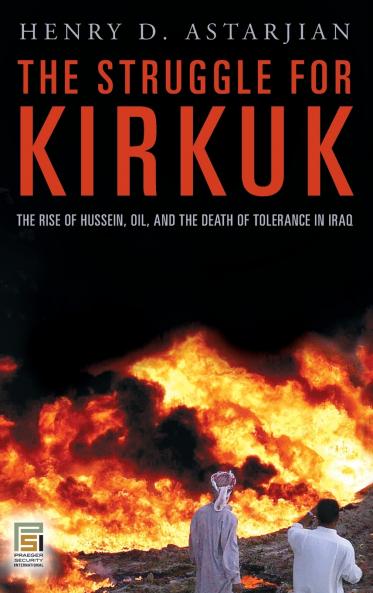
Seldom in history has a nation engaged in war without knowing the enemy as the United States has in Iraq. This book explores through real life stories the social and political dynamics at play in Iraq and Iraqi Kurdistan before the rise of Saddam Hussein. Kirkuk is a hotly contested oil citya time bomb with the potential to shatter the fragile hope for unity in Iraq. In this book-half memoir half historyIraqi-American physician Henry Astarjian reveals the turmoil of life under Communism then as a political prisoner in a death row cell in Iraq and a military prison in Baghdad. Told from an eyewitness perspective his book gives the history of Iraq through the life of one of its most volatile towns through the eyes of a citizen who witnessed death kidnapping corruption political indoctrination and open murder in the streets. Originally a Jewish enclave Kirkuk was home to Jews Kurds Armenians Turks and Communistsdiverse peoples whose uncommon experiences contributed to the broader political tensions of the 1958 Revolution that brought Saddam Hussein to power.This book is the story of the demographic diversity of this city its political currents leading to the demise of the Royal regime of Iraq. It is the story of colonial Britains Kurds Turkomans Assyrians pre-emigration Jews and post-genocidal Armenians all living together in peace but with deep-seated animosities. Directly or indirectly they all were involved in surreptitious battles for control over Baba Gurgur the oil fields of Kirkuk. Henry Astarjian was both a witness to and a victim of most events of this period. The book also explores the influences that the British through the Iraq Petroleum Company (IPC) had in shaping Iraqi society. This book goes beyond the obvious in detailing the Soviet attempts to gain access to Baba Gurgur through its surrogates the Communists and their efforts to recruit the budding youth. It also tells the story of the author''s incarceration and torture in a death row cell at the hands of his childhood friend Adnaan Al-Azzawi an avowed Communist. The demise of the Hashimite Dynasty in Iraq in 1958 which led to Communist takeover of the country touched Astarjian''s life personally. His incarceration with the Ba''th leaders in Al-Rasheed Military Base gave him a special look at their psyche and a negative sense for the future of Iraq; that influenced his decision to leave the country. Finally the book pursues the psychological effects the Iraqi defeat in Palestine (1948) had on the Iraqi person and the Armed forces. It details the on-the-spot formation of the Iraqi Free Officers movement (whose founders later became the author''s prison mates) who a decade later waged a coup against the Hashimite regime.
Piracy-free
Assured Quality
Secure Transactions
*COD & Shipping Charges may apply on certain items.
Review final details at checkout.
₹4432
₹5185
14% OFF
Hardback
Out Of Stock
All inclusive*
Details
ISBN 13
9780275995898
Publication Date
-30-05-2007
Pages
-200
Weight
-384 grams
Dimensions
-156x234x12.7 mm
