


English


₹1599
₹1601
0.12% OFF
(All inclusive*)
Paperback
Delivery Options
Please enter pincode to check delivery time.
*COD & Shipping Charges may apply on certain items.
Review final details at checkout.
Looking to place a bulk order? SUBMIT DETAILS
Delivery Options
Please enter pincode to check delivery time.
*COD & Shipping Charges may apply on certain items.
Review final details at checkout.
About The Book
Description
Author
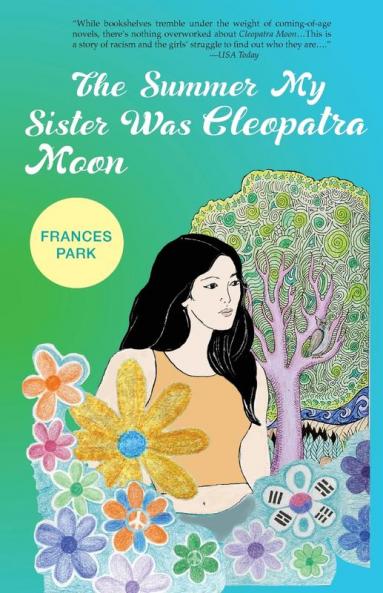
<p><em>The Summer My Sister Was Cleopatra Moon</em> is an emotionally charged cautionary tale about alienation and the spiritual deformity that ensues when it feels like the whole world hates you. In the summer of &apos;76 with no other Koreans in Glover Virginia fourteen-year-old Marcy Moon idolizes her irreverent big sister Cleo who has her pick of lovers and uses her sexuality to prevail against racism. In Marcy&apos;s eyes <em>every guy would cut off his ponytail burn his guitar and shoot old ladies if you told him to</em>. Her dream a dangerous one is to be like Cleo. Central to the story is the girls&apos; inability to bond with their mom who left her heart behind in North Korea and finds it difficult to love her daughters the way a mother should. Most heartbreaking is the sisters&apos; love for their dad a complicated and worldly man who wants to be the best father and provider but in the end cannot escape his demons.</p><p>&nbsp;</p><p>&quot;In her coming-of-age novel about two sisters every page of which bears the imprint of her emotional and spiritual investment Frances Park shows what a woman writer can achieve with such rich material at hand.&quot;</p><p>-The <em>Strait Times</em> Singapore</p><p>&nbsp;</p><p>&quot;... bold powerful comedy... The parents in particular are sketched with an unflinching eye for pathos that can be fairly heartbreaking... Frances Park&apos;s writing on adolescence is readable unsentimental and... entrancing.&quot;</p><p>-The<em>&nbsp;London Times</em></p><p><em>&nbsp;</em></p><p>&quot;A fresh take ... by a writer from a generation whose voice has seldom been heard.&quot;</p><p>-<em>Kirkus Reviews&nbsp;</em>(of Frances Parks&apos;s memoir writing)</p><p>&nbsp;</p><p>&quot;...Frances Park pulls off an improbability here: the ability to make you laugh one minute cry the next maintaining a dizzying highwire balancing act as Marcy shares her own American tale one rich in both humor and heartbreak.&quot;&nbsp;</p><p>-Scott Saalman columnist author of <em>Vietnam War Love Story: The Love Letters of Bill and Nancy Young</em> (1967)</p><p><br></p><p>&quot;This is a delicate humane funny novel...that stands with the best tradition of imaginative writing.&quot;</p><p>-The<em>&nbsp;Tapei Times</em></p><p><br></p><p>&quot;Park&apos;s poignant novel...comes to us as a cautionary tale about the perils of the American dream.&quot;</p><p>-The<em>&nbsp;Korea Times</em></p><p><br></p><p>&quot;The story captured a vivid image of sisterhood in all its complex glory and gore. I couldn&apos;t put the book down.&quot;</p><p>-The <em>Korean Quarterly</em></p><p><br></p><p>&quot;... written with gusto... and will likely find a place in summer beach bags.&quot;</p><p>-<em>Washington Post</em> Book World</p><p><br></p><p>&quot;A deftly funny but in the end heartbreaking exploration of a first-generation Korean family trying to make their way in a &apos;70s suburban America that doesn&apos;t always welcome them...&quot;</p><p>-Steve Adams Pushcart Prize-winning author of <em>Remember This</em></p>

Piracy-free

Assured Quality

Secure Transactions

Fast Delivery

Sustainably Printed
Details
ISBN 13
9781956474329
Publication Date
-19-09-2023
Pages
-146
Weight
-181 grams
Dimensions
-140x216x8.63 mm
