


English


Paperback
₹210
₹300
30% OFF
(All inclusive*)
Delivery Options
Please enter pincode to check delivery time.
*COD & Shipping Charges may apply on certain items.
Review final details at checkout.
Looking to place a bulk order? SUBMIT DETAILS

Piracy-free

Assured Quality

Secure Transactions
About The Book
Description
Author
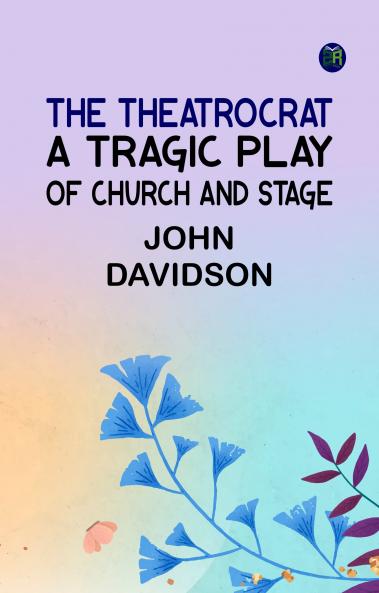
The play centers on a central character known as the Theatrocrat who embodies Davidson's belief in the power of art to transcend traditional moral and religious boundaries. The Theatrocrat a charismatic and authoritative figure holds radical views on art and life seeing the theater as a place of ultimate truth and emotional expression. His philosophy directly conflicts with the conservative and dogmatic views held by religious leaders who view the theater with suspicion and fear its influence on society’s morals. Tension escalates as the Theatrocrat and religious authorities clash challenging each other’s authority and views on what constitutes truth morality and enlightenment. As the play unfolds the Theatrocrat’s ideals push him further into conflict with society particularly with the religious leaders determined to silence him. The drama explores themes of power sacrifice and the cost of devotion to one's ideals. Ultimately Davidson presents the Theatrocrat as a tragic figure—a visionary destroyed by the very society he wishes to liberate yet unyielding in his belief that art and personal expression must be free from institutional constraints. His downfall raises questions about whether individual ideals and self-expression can survive in a world dominated by rigid moral and social codes.
Piracy-free
Assured Quality
Secure Transactions
Delivery Options
Please enter pincode to check delivery time.
*COD & Shipping Charges may apply on certain items.
Review final details at checkout.
Details
ISBN 13
9789364542494
Publication Date
-10-01-2025
Pages
-142
Weight
-176 grams
Dimensions
-139.7x215.9x8.21 mm
