


English



Hardback
₹12333
(All inclusive*)
Delivery Options
Please enter pincode to check delivery time.
*COD & Shipping Charges may apply on certain items.
Review final details at checkout.
Looking to place a bulk order? SUBMIT DETAILS

Piracy-free

Assured Quality

Secure Transactions
About The Book
Description
Author
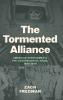
After Japan&#x2019;s attack on Pearl Harbor leaders in China and the United States had high hopes of a lasting partnership between the two countries. More than 120000 U.S. servicemen deployed to China where Chiang Kai-shek&#x2019;s government carried out massive programs to provide them with housing food and interpreters. But as Zach Fredman uncovers in <i>The Tormented Alliance</i> a military alliance with the United States means a military occupation by the United States. The first book to draw on archives from all of the areas in China where U.S. forces deployed during the 1940s it examines the formation evolution and undoing of the alliance between the United States and the Republic of China during World War II and the Chinese Civil War.<br/><br/>Fredman reveals how each side brought to the alliance expectations that the other side was simply unable to meet resulting in a tormented relationship across all levels of Sino-American engagement. Entangled in larger struggles over race gender and nation the U.S. military in China transformed itself into a widely loathed occupation force: an aggressive resentful emasculating source of physical danger and compromised sovereignty. After Japan&#x2019;s surrender and the spring 1946 withdrawal of Soviet forces from Manchuria the U.S. occupation became the chief obstacle to consigning foreign imperialism in China irrevocably to the past. Chinese leader Chiang Kai-shek lost his country in 1949 and the U.S. military presence contributed to his defeat. The occupation of China also cast a long shadow establishing patterns that have followed the U.S. military elsewhere in Asia up to the present.
Piracy-free
Assured Quality
Secure Transactions
Delivery Options
Please enter pincode to check delivery time.
*COD & Shipping Charges may apply on certain items.
Review final details at checkout.
Details
ISBN 13
9781469669571
Publication Date
-06-09-2022
Pages
-334
Weight
-568 grams
Dimensions
-156x234x22.23 mm
