



This Book is Out of Stock!
English



Paperback
₹2250
₹2268
0.79% OFF
(All inclusive*)
Delivery Options
*COD & Shipping Charges may apply on certain items.
Review final details at checkout.
Looking to place a bulk order? SUBMIT DETAILS
*COD & Shipping Charges may apply on certain items.
Review final details at checkout.
₹2250
₹2268
0% OFF
Paperback
Out Of Stock
All inclusive*
About The Book
Description
Author
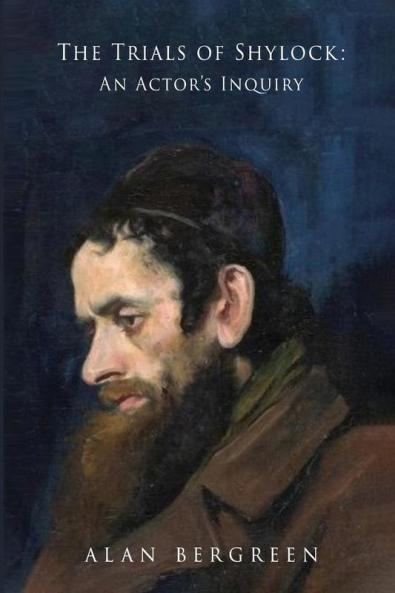
<p><span style=color: rgba(0 0 0 1)>The Trials of Shylock is an exploration and reinterpretation of </span><em style=color: rgba(0 0 0 1)>The Merchant of Venice</em><span style=color: rgba(0 0 0 1)> from an acting point of view designed to create a path for performers and directors to humanely interpret the play and its signature character Shylock in a manner freed from the antisemitic imagery long-associated with the part.</span></p><p><br></p><p><span style=color: rgba(0 0 0 1)>It is an actor's journey seeking an emotional foundation for a character&nbsp;in&nbsp;performance rather than the pursuits of a literary historian or critic. Thus the tortuous inner paths of that search and the creative license of the actor are combined with historical analysis and personal memoir to portray Shylock's behaviour convincingly in modern psychological terms.&nbsp;By confronting the emotional impact of Shylock's degradation and personal travails upon his conduct exposing the cruelty and hypocrisy of his tormentors and imagining a modern setting effectively illuminating these choices for a contemporary audience long-held assumptions regarding the values and behaviour of the parties to this drama are reconsidered altering perception of the play and its meaning.&nbsp;</span></p><p><br></p><p><span style=color: rgba(0 0 0 1)>This is accomplished through exploration of a range of historical emotional and personal elements essential to the actor's art with the view to achieving a highly personal and original interpretation of the play and its signature character Shylock that will speak to modern audiences. Thus the acting process itself and the research and introspection required to prepare for a role in a fully idiosyncratic way will be considered.&nbsp;</span></p><p><br></p><p><span style=color: rgba(0 0 0 1)>It can be argued that MV says more about the attitudes of Elizabethan London toward Jews than those of Venice an assumption useful in a modern context. Thus a setting and given circumstances are proposed to address these relationships starkly in British-Jewish polarities: namely British Mandatory Palestine in the years 1945-48 a period fraught with existential conflict pitting Imperial Britain against the Jews.&nbsp;The magnitude of Shylock's rage and mania can then be understood in a larger context of national trauma in the wake of genocide adding a moving dimension of injured humanity and realism to the character and eschewing the bigoted view of Shylock - traditionally held - as the embodiment of inveterate evil.&nbsp;</span></p><p><br></p><p><span style=color: rgba(0 0 0 1)>In this way Shylock's violence can be considered in terms of modern psychology social dynamics and political struggle rather than medieval stereotypes and blood-libels. In place of a derisive comedy at the expense of the Jew the play will become a psychological study of a broken man at the end of his tether.&nbsp;The victim of forces propelling&nbsp;by corrosive increments the most unassuming of men to ferocity beyond their imaginings exposing the bigotry class prejudice and anti-Semitism which have inflicted these injustices on their victims. Thus MV can be seen as an indictment of antisemitism rather than a vehicle for it.</span></p>

Piracy-free

Assured Quality

Secure Transactions

Fast Delivery

Sustainably Printed
Details
ISBN 13
9781916604131
Publication Date
-26-10-2024
Pages
-302
Weight
-412 grams
Dimensions
-152x229x20.84 mm
