

English


₹13414
₹17282
22.38% OFF
(All inclusive*)
Hardback
Delivery Options
Please enter pincode to check delivery time.
*COD & Shipping Charges may apply on certain items.
Review final details at checkout.
Looking to place a bulk order? SUBMIT DETAILS
Delivery Options
Please enter pincode to check delivery time.
*COD & Shipping Charges may apply on certain items.
Review final details at checkout.
About The Book
Description
Author
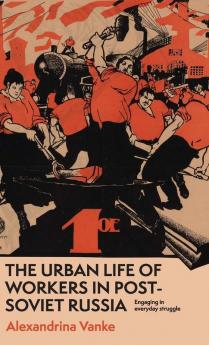
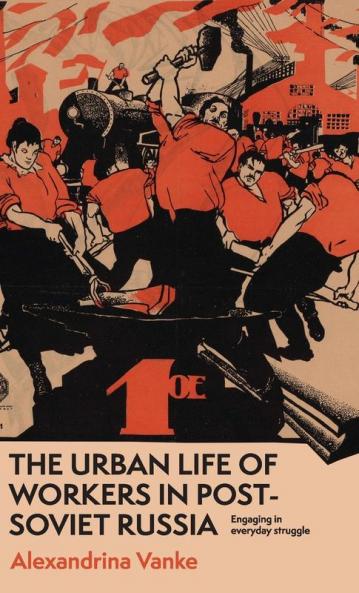
<p>Despite the intense processes of deindustrialisation around the world the working class continues to play an important role in post-industrial societies. However working-class people are often stigmatised morally judged and depicted negatively in dominant discourses. <br><br>This book challenges stereotypical representations of workers building on research into the everyday worlds of working-class and ordinary people in Russia's post-industrial cities. <i>The urban life of workers in post-Soviet Russia </i>is centred on the stories of local communities engaged in the everyday struggles that occur in deindustrialising settings under neoliberal neo-authoritarianism. <br><br>The book suggests a novel approach to everyday life in post-industrial cities. Drawing on an ethnographic study with elements of arts-based research the book presents a new genre of writing about workers influenced by the avant-garde documentary tradition and working-class literature.</p>

Piracy-free

Assured Quality

Secure Transactions

Fast Delivery

Sustainably Printed
Details
ISBN 13
9781526167637
Publication Date
-09-01-2024
Pages
-252
Weight
-377 grams
Dimensions
-140x216x15.88 mm
