

English


Paperback
₹380
(All inclusive*)
Delivery Options
Please enter pincode to check delivery time.
*COD & Shipping Charges may apply on certain items.
Review final details at checkout.
Looking to place a bulk order? SUBMIT DETAILS

Piracy-free

Assured Quality

Secure Transactions
About The Book
Description
Author(s)
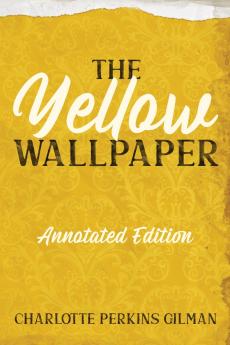
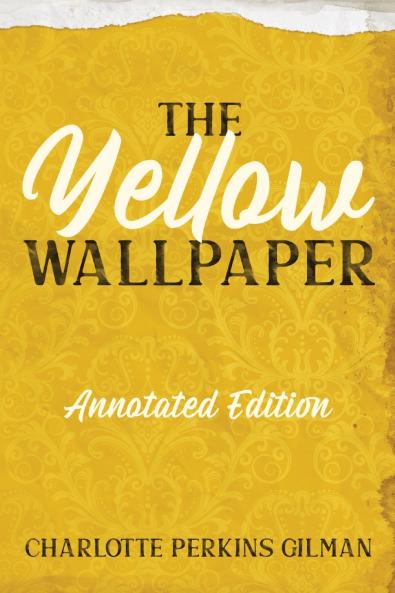
<p><span style=background-color: rgba(0 0 0 0); color: rgba(34 34 34 1)>The Yellow Wallpaper first published in 1882 is largely based on the personal experience of Charlotte Perkins Gilman. Like many women of that era Gilman was subjected to the rest cure for postpartum depression. The cure pioneered by Silas Weir Mitchell forbade reading writing socializing exercise and thinking in general. For many women the treatment was worse than the cure.&nbsp;</span></p><p><span style=background-color: rgba(0 0 0 0); color: rgba(34 34 34 1)>The story chronicles the story of a women diagnosed with a slight hysterical tendency and shut up in a wallpapered yellow room in an old mansion over the summer. With no intellectual stimuli other than the wallpaper the narrator becomes increasingly intrigued with its intricate pattern twisting and turning it in her mind until she sees a woman on all fours crawling creeping behind the pattern.&nbsp;</span></p><p><span style=background-color: rgba(0 0 0 0); color: rgba(34 34 34 1)>Believing she must free the woman in the wallpaper the narrator secretly begins stripping it from the walls. Tension mounts between the characters in the story right along with the narrator's increasing derangement. The story reaches its peak as the narrator increasingly identifies herself as the trapped old woman. When her husband finally discovers her in this sorry state he faints on the spot. The narrator unfazed continues creeping over his body each time she circles the room trying to free the old woman-and ultimately herself from the wallpaper's deeply disturbing pattern.</span></p><p><span style=background-color: rgba(0 0 0 0); color: rgba(34 34 34 1)>The book's indictment of the rest cure contributed eventually to its discontinuation. The patronizing attitudes and actions of the narrator's husband combined with her childish position drove her to retreat into the only place she was allowed to actively use her mind or exercise the slightest bit of control over her life-the yellow wallpaper. Forced to pretend that her marriage was happy forced to pretend that she was overcoming depression and restricted from any form of self-expression the narrator was eventually driven insane. The importance of patient input into their treatment as well as of self-expression are important themes of this classic feminist work.&nbsp;</span></p>
Piracy-free
Assured Quality
Secure Transactions
Delivery Options
Please enter pincode to check delivery time.
*COD & Shipping Charges may apply on certain items.
Review final details at checkout.
Details
ISBN 13
9781611047196
Publication Date
-18-07-2023
Pages
-36
Weight
-64 grams
Dimensions
-152x229x1.89 mm
