

English



₹4070
₹4568
10.9% OFF
(All inclusive*)
Paperback
Delivery Options
Please enter pincode to check delivery time.
*COD & Shipping Charges may apply on certain items.
Review final details at checkout.
Looking to place a bulk order? SUBMIT DETAILS
Delivery Options
Please enter pincode to check delivery time.
*COD & Shipping Charges may apply on certain items.
Review final details at checkout.
About The Book
Description
Author(s)
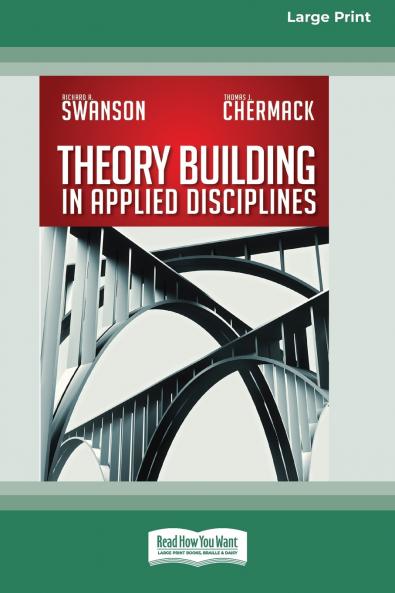
When facing important professional problems practitioners regularly respond with the latest gimmick or by throwing everything and anything at the problem. In contrast scholars regularly slice problems into small segments to study and explain them without directly addressing the practical problem itself. Both approaches miss the target of sound theory and practice. Most theory development methodologies are incomplete inappropriate or totally overwhelming. This book presents a complete five - stop methodology for developing sound theory that can be employed with any applied discipline - it is not discipline - specific. This methodology engages input from practitioners and scholars. By fusing them a complete and accurate understanding of the phenomena being investigated results an understanding that meets the standards of both scholarship and practice.

Piracy-free

Assured Quality

Secure Transactions

Fast Delivery

Sustainably Printed
Details
ISBN 13
9780369371874
Publication Date
-05-08-2013
Pages
-462
Weight
-651 grams
Dimensions
-156x234x29.14 mm
