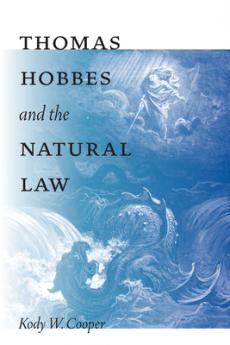
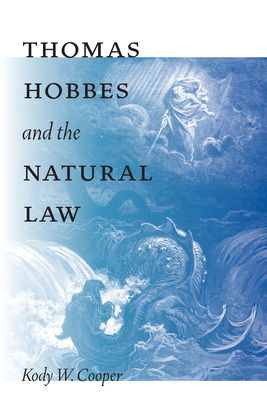
Thomas Hobbes and the Natural Law

About The Book

<p>Has Hobbesian moral and political theory been fundamentally misinterpreted by most of his readers? Since the criticism of John Bramhall Hobbes has generally been regarded as advancing a moral and political theory that is antithetical to classical natural law theory. Kody W. Cooper challenges this traditional interpretation of Hobbes in <i>Thomas Hobbes and the Natural Law</i>. Hobbes affirms two essential theses of classical natural law theory: the capacity of practical reason to grasp intelligible goods or reasons for action and the legally binding character of the practical requirements essential to the pursuit of human flourishing. Hobbes's novel contribution lies principally in his formulation of a thin theory of the good. This book seeks to prove that Hobbes has more in common with the Aristotelian-Thomistic tradition of natural law philosophy than has been recognized. According to Cooper Hobbes affirms a realistic philosophy as well as biblical revelation as the ground of his philosophical-theological anthropology and his moral and civil science. In addition Cooper contends that Hobbes's thought although transformative in important ways also has important structural continuities with the Aristotelian-Thomistic tradition of practical reason theology social ontology and law. What emerges from this study is a nuanced assessment of Hobbes's place in the natural law tradition as a formulator of natural law liberalism. This book will appeal to political theorists and philosophers and be of particular interest to Hobbes scholars and natural law theorists.</p>
Piracy-free
Piracy-free
Assured Quality
Assured Quality
Secure Transactions
Secure Transactions
Delivery Options
Please enter pincode to check delivery time.
*COD & Shipping Charges may apply on certain items.
Review final details at checkout.
downArrow

Details


LOOKING TO PLACE A BULK ORDER?CLICK HERE