

English


Paperback
₹3139
(All inclusive*)
Delivery Options
Please enter pincode to check delivery time.
*COD & Shipping Charges may apply on certain items.
Review final details at checkout.
Looking to place a bulk order? SUBMIT DETAILS
Delivery Options
Please enter pincode to check delivery time.
*COD & Shipping Charges may apply on certain items.
Review final details at checkout.
About The Book
Description
Author(s)
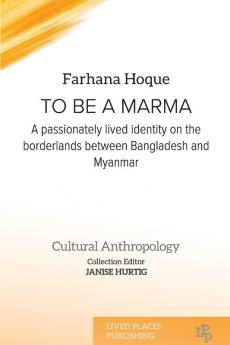
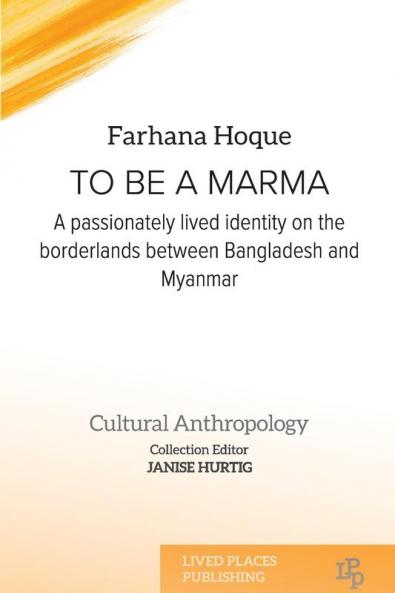
<p><strong>How does being located in borderlands impact cultural identity through both assimilation and distinctness?</strong></p><p><br></p><p>This exploration of the self-identified Marma group the second largest ethnic group in the <span style=color: rgba(0 0 0 1)>Chittagong Hill Tracts (CHT) of Bangladesh discusses various aspects of identity creation maintenance and adaptation in the unique setting of the geo-political border between South and Southeast Asia. With the fluidity of change and ethnic composition that is typical of geographical borders the expectation is constant adaptation resulting in slow change of cultural identity over time. In the Marma case adaptations are made in order to maintain their cultural distinctiveness.</span></p><p><br></p><p><span style=color: rgba(0 0 0 1)>Drawing from stories of the people who hold this identity the book considers how cultural groups navigate the constant demands on their identity whilst living in borderlands.</span></p>

Piracy-free

Assured Quality

Secure Transactions

Fast Delivery

Sustainably Printed
Details
ISBN 13
9781915271181
Publication Date
-22-08-2022
Pages
-266
Weight
-365 grams
Dimensions
-152x229x14.2 mm
