



This Book is Out of Stock!
English



₹18474
(All inclusive*)
Hardback
Delivery Options
*COD & Shipping Charges may apply on certain items.
Review final details at checkout.
Looking to place a bulk order? SUBMIT DETAILS
*COD & Shipping Charges may apply on certain items.
Review final details at checkout.
₹18474
Out Of Stock
All inclusive*
About The Book
Description
Author
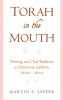
The classical Rabbinic tradition (legal discursive and exegetical) claims to be the Oral Torah transmitted by word of mouth in an unbroken chain deriving its authority ultimately from divine revelation to Moses at Sinai. Since the third century CE however this tradition has been embodied in written texts. Through judicious deployment and analysis of the evidence Martin Jaffee is able to show that the Rabbinic tradition as we have it developed through a mutual interpretation of oral and written modes. The ideology of the Oral Torah however - which appeared in its first fully developed form only in the mid-third century CE - was intended to ground talmudic study practices and the authority of the Rabbinic master as the living embodiment of the Torah. Torah as transformative religious knowledge and praxis could only be internalized through discipleship to a religious Master within a circle of other disciples; it could not be mastered from a written text which by itself was deemed to be religiously inert.

Piracy-free

Assured Quality

Secure Transactions

Fast Delivery

Sustainably Printed
Details
ISBN 13
9780195140675
Publication Date
-19-04-2001
Pages
-256
Weight
-461 grams
Dimensions
-156x234x15.88 mm
