

English


₹1420
₹1495
5.02% OFF
(All inclusive*)
Hardback
Delivery Options
Please enter pincode to check delivery time.
*COD & Shipping Charges may apply on certain items.
Review final details at checkout.
Looking to place a bulk order? SUBMIT DETAILS
Delivery Options
Please enter pincode to check delivery time.
*COD & Shipping Charges may apply on certain items.
Review final details at checkout.
About The Book
Description
Author
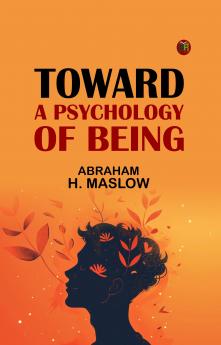
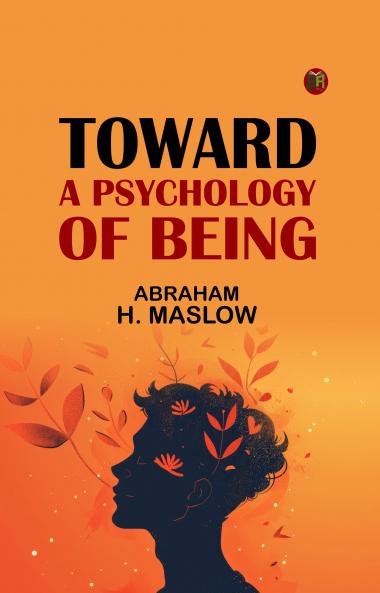
Maslow argues that human beings have an innate drive to reach their fullest potential a state he calls self-actualization. Drawing on his famous hierarchy of needs he explains that individuals must first satisfy basic physiological and safety needs before addressing higher-level desires such as love esteem and self-fulfillment. The book also discusses Being-values (or B-values) like truth beauty and wholeness which are central to the experiences of self-actualized individuals. The text delves into the qualities of self-actualized people highlighting characteristics such as creativity authenticity autonomy and a deep appreciation for life. Maslow also introduces the idea of peak experiences moments of intense joy and transcendence that connect individuals to something greater than themselves fostering personal growth. Through a blend of theory research and practical insights Maslow challenges the reductionist views of behaviorism and psychoanalysis advocating for a psychology that celebrates human potential. His work has influenced not only psychology but also education management and personal development making it a landmark in the understanding of human motivation and well-being.

Piracy-free

Assured Quality

Secure Transactions

Fast Delivery

Sustainably Printed
Details
ISBN 13
9789368348870
Publication Date
-11-11-2024
Pages
-188
Weight
-304 grams
Dimensions
-139.7x215.9x11.66 mm
