




This Book is Out of Stock!
English



Hardback
₹11207
₹14673
23.62% OFF
(All inclusive*)
Delivery Options
*COD & Shipping Charges may apply on certain items.
Review final details at checkout.
Looking to place a bulk order? SUBMIT DETAILS

Piracy-free

Assured Quality

Secure Transactions
About The Book
Description
Author
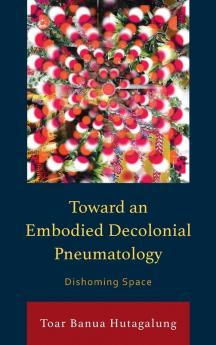
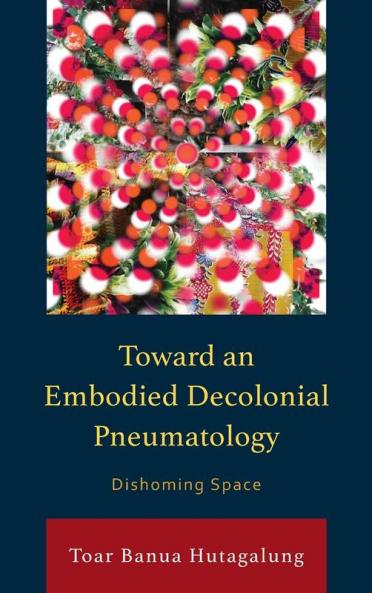
<P>Everyone wants to be and to feel at home. Yet being homely requires a space or place where one can admit feeling familiar with and the surroundings can accept the person. What does it mean then to be in a liminal space where one is considered not this or not that? In <I>Toward an Embodied Decolonial Pneumatology: Dishoming Space</I> Toar Banua Hutagalung tries to analyze this existential question through a postcolonial/decolonial approach. One thing that is responsible for such liminal spaces is colonialism itself. Colonialism through its multiple elements such as biopolitics racism and sexuality became a formation that looks like a home but is a site of oppression. Nevertheless the author argues that liminality is not just a site of rejection. By addressing a case from the formation of Indonesian nationality as well as taking a closer hermeneutical look at Indonesian literature the author contends that liminality conveys decolonial acts. Integrating an interdisciplinary approach from postcolonial/decolonial studies theological anthropology and pneumatology the author asserts that the Holy Spirit always dwells and moves continuously in liminal spaces. It pulsates within the capillaries of every person to fight against colonial legacies. With such a decolonial pulse from the presence of the Spirit one can re-member and recreate what home means.</P>
Piracy-free
Assured Quality
Secure Transactions
*COD & Shipping Charges may apply on certain items.
Review final details at checkout.
₹11207
₹14673
23% OFF
Hardback
Out Of Stock
All inclusive*
Details
ISBN 13
9781666938159
Publication Date
-17-04-2024
Pages
-216
Weight
-387 grams
Dimensions
-152x229x15.88 mm
