


English


₹1687
₹1848
8.71% OFF
(All inclusive*)
Paperback
Delivery Options
Please enter pincode to check delivery time.
*COD & Shipping Charges may apply on certain items.
Review final details at checkout.
Looking to place a bulk order? SUBMIT DETAILS
Delivery Options
Please enter pincode to check delivery time.
*COD & Shipping Charges may apply on certain items.
Review final details at checkout.
About The Book
Description
Author
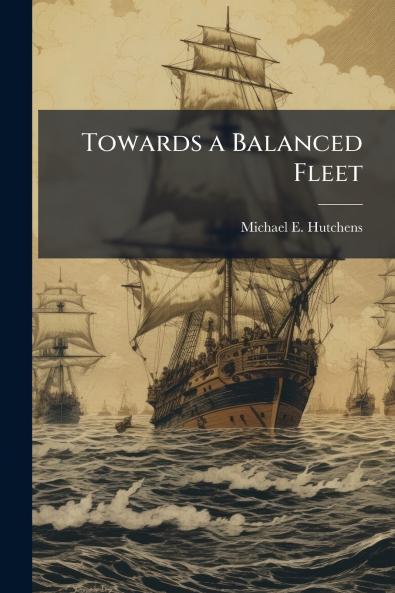
<p>This monograph studies the challenges facing the U.S. Navy in 2009. It is principally an historical study that attempts to draw a parallel between today's strategic environment and past environments. The historical analysis focuses on past maritime strategies produced by the U.S. Navy and an historical review of the Royal Navy of the late 19th Century. Through this analysis broad strategic themes become apparent. Recognizing and understanding these strategic themes illuminates options available to the U.S. Navy. The first historical analysis centers on the development of U.S. maritime strategy since 1970. After almost forty years of maritime history its stability and coherence remain remarkable. U.S. Navy missions over the forty years focused on four mission areas: sea control power projection naval presence and strategic deterrence. Despite dramatic changes in the strategic environment what changed in the strategies was the priority placed on specific missions. The strategic concept of the Navy's most recent maritime strategy departs from past examples. A Cooperative Strategy for 21st Century Seapower adds two additional missions: maritime security and humanitarian assistance/disaster response. This is a dramatic change but it is a change that fits the current environment. The second historical analysis centers on the comparison of the Royal Navy of 1850-1900 with the U.S. Navy of 2009. The strategic environment the Royal Navy faced over fifty years at the end of the 19th Century mirrors that faced by today's U.S. Navy. The decisions made by the Royal Navy over a century ago provide options for today's maritime service. The Royal Navy example illuminates the importance of the following themes: policing the commons remaining first in shipbuilding and developing a balanced fleet. Through these historical strategic themes it is possible to identify potential courses of action. This paper recommends continued investment in perfecting theater ballistic missi</p><p>This work has been selected by scholars as being culturally important and is part of the knowledge base of civilization as we know it. This work was reproduced from the original artifact and remains as true to the original work as possible. Therefore you will see the original copyright references library stamps (as most of these works have been housed in our most important libraries around the world) and other notations in the work.</p><p>This work is in the public domain in the United States of America and possibly other nations. Within the United States you may freely copy and distribute this work as no entity (individual or corporate) has a copyright on the body of the work.</p><p>As a reproduction of a historical artifact this work may contain missing or blurred pages poor pictures errant marks etc. Scholars believe and we concur that this work is important enough to be preserved reproduced and made generally available to the public. We appreciate your support of the preservation process and thank you for being an important part of keeping this knowledge alive and relevant.</p>

Piracy-free

Assured Quality

Secure Transactions

Fast Delivery

Sustainably Printed
Details
ISBN 13
9781288325498
Publication Date
-21-11-2012
Pages
-56
Weight
-95 grams
Dimensions
-156x234x3.05 mm
