

English


₹1689
₹1853
8.85% OFF
(All inclusive*)
Paperback
Delivery Options
Please enter pincode to check delivery time.
*COD & Shipping Charges may apply on certain items.
Review final details at checkout.
Looking to place a bulk order? SUBMIT DETAILS
Delivery Options
Please enter pincode to check delivery time.
*COD & Shipping Charges may apply on certain items.
Review final details at checkout.
About The Book
Description
Author
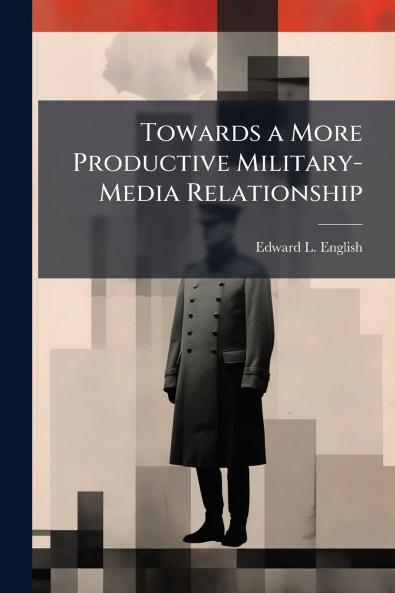
<p>In an effort to explain how the military can better engage the media this paper provides insights to the question How can the U.S. military proactively engage the domestic media in the planning and execution of military operations? By proactively engaging the media the military can better leverage the media and take advantage of its tremendous capability to influence public opinion. This paper investigates the importance of an effective military-media relationship considers current Joint doctrine and conducts a historic review (using the criteria of access logistical support operational security and context) of the relationship between the military and the media focusing on how the military engaged the media in those operations and how the military can leverage the media to benefit future operations. The historical record shows that while the military is willing to address symptoms of its strained relationship with the media it tends not to address the long-term underlying reasons for that tension-one of the reasons different conflicts have brought about different media policies. Knowing the tensions that exist between the two institutions will never completely evaporate the military must consider what it can do to minimize the effects of those tensions. A complete plan to leverage the media is the key to a successful military-media relationship. It must be a continual process and those engaged in the dialogue must be truthful and forthright. By increasing recognition of the importance of media engagement in doctrine the military can better take advantage of the force multiplier effects the media can provide the military. To that end and centered on the idea that public affairs is not just a PAO's issue the military should make improvements in the following areas: (1) Establishment of media effects as an information age principle of war; (2) Continued use of embedded reporters expanding on the current program to ensure coverage to include the post-</p><p>This work has been selected by scholars as being culturally important and is part of the knowledge base of civilization as we know it. This work was reproduced from the original artifact and remains as true to the original work as possible. Therefore you will see the original copyright references library stamps (as most of these works have been housed in our most important libraries around the world) and other notations in the work.</p><p>This work is in the public domain in the United States of America and possibly other nations. Within the United States you may freely copy and distribute this work as no entity (individual or corporate) has a copyright on the body of the work.</p><p>As a reproduction of a historical artifact this work may contain missing or blurred pages poor pictures errant marks etc. Scholars believe and we concur that this work is important enough to be preserved reproduced and made generally available to the public. We appreciate your support of the preservation process and thank you for being an important part of keeping this knowledge alive and relevant.</p>

Piracy-free

Assured Quality

Secure Transactions

Fast Delivery

Sustainably Printed
Details
ISBN 13
9781288325474
Publication Date
-21-11-2012
Pages
-64
Weight
-106 grams
Dimensions
-156x234x3.47 mm
