

English


Paperback
₹1632
₹2907
43.86% OFF
(All inclusive*)
Delivery Options
Please enter pincode to check delivery time.
*COD & Shipping Charges may apply on certain items.
Review final details at checkout.
Looking to place a bulk order? SUBMIT DETAILS
Delivery Options
Please enter pincode to check delivery time.
*COD & Shipping Charges may apply on certain items.
Review final details at checkout.
About The Book
Description
Author
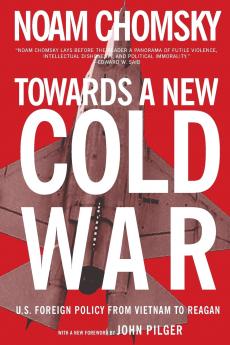
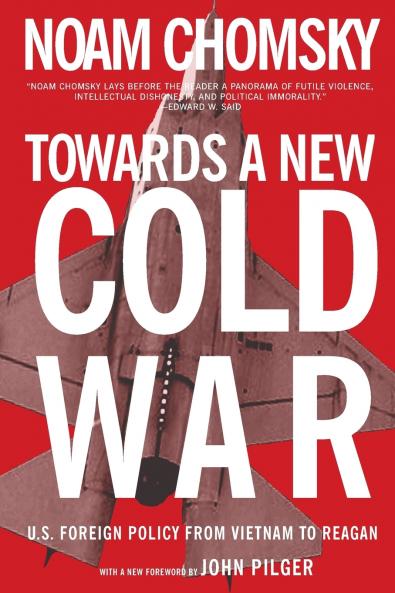
<p><strong>Featuring Noam Chomsky&rsquo;s trademark directness and analytical precision this is a sobering assessment of American foreign policy from the end of the Vietnam War to the Reagan era</strong></p> <p><strong>&ldquo;What Chomsky has made vivid is the truth that western political leaders respectable people whose &lsquo;moderation&rsquo; contains not a hint of totalitarianism can at great remove in physical and cultural distance kill and maim people on a scale comparable with the accredited monsters of our time.&rdquo; &mdash;from John Pilger&rsquo;s foreword to <em>Towards a New Cold War</em></strong></p> <p>With the same uncompromising style that characterized his breakthrough Vietnam-era writings <em>Towards a New Cold War</em> extends Chomsky&rsquo;s critique of U.S. foreign policy through the early 1970s to Ronald Reagan&rsquo;s first term.</p> <p>Expanding on themes such as the cozy relationship of intellectuals to the state and American adventurism after World War II Chomsky goes on to examine the way that U.S. policy makers set about the task of rewriting their horrible history of involvement in Southeast Asia and turned their attention more squarely on the Middle East and Central America. He also assesses U.S. oil strategy and the Israeli-Palestinian conflict dissects the first volume of Henry Kissinger&rsquo;s memoirs issues an urgent call to stem the bloodshed in then-unknown East Timor and in the title essay marks the increased posture of confrontation and rearmament under presidents Carter and Reagan that signaled the end of d&eacute;tente with the Soviet Union. As the United States adopts this same aggressive posture toward China in a sort of twenty-first-century Cold War Chomsky&rsquo;s words are newly relevant.</p>

Piracy-free

Assured Quality

Secure Transactions

Fast Delivery

Sustainably Printed
Details
ISBN 13
9781565848597
Publication Date
-01-09-2003
Pages
-560
Weight
-633 grams
Dimensions
-140x210x31.69 mm
