

English


Hardback
₹6715
₹6721
0.09% OFF
(All inclusive*)
Delivery Options
Please enter pincode to check delivery time.
*COD & Shipping Charges may apply on certain items.
Review final details at checkout.
Looking to place a bulk order? SUBMIT DETAILS
Delivery Options
Please enter pincode to check delivery time.
*COD & Shipping Charges may apply on certain items.
Review final details at checkout.
About The Book
Description
Author(s)
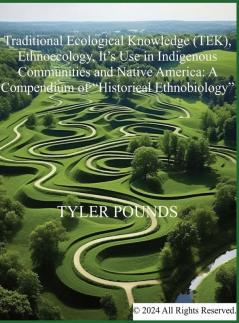
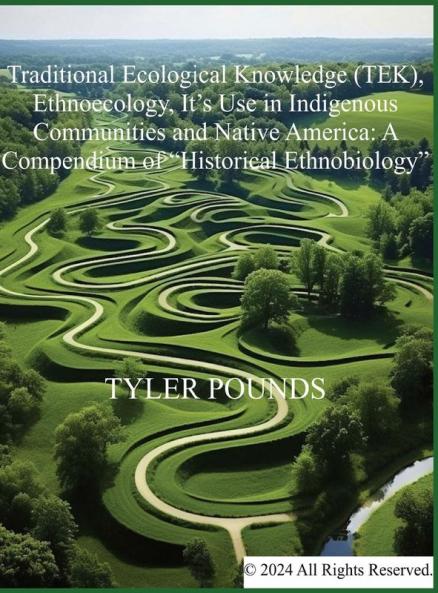
<p><strong style=color: rgba(15 17 17 1)>All Rights Reserved</strong></p><p><strong style=color: rgba(15 17 17 1)>Copyright Registration Number / Date: TX0009385665 / 2024-03-01</strong></p><p><strong style=color: rgba(15 17 17 1)>Library of Congress Control Number: 2023923998</strong></p><p><br></p><p><strong style=color: rgba(15 17 17 1)>The Second Book for Mr. Tyler Pounds Integrated Human-Nature Relations. The School of Integrated Human-Nature Relations combines the fields of Anthropology Wildlife Biology (Botany Ecology Zoology) into a cohesive integrated format. The school (and thus this book) delves into the direct links and relationships that humans have with nature. Exploring the direct links and relationships that humans have with nature is a critical first step on solving the worlds biodiversity crisis.</strong></p><p><br></p><p><span style=color: rgba(15 17 17 1)>This book explores how it is possible to list all of wildlife &amp; biodiversity as either Tangible/Intangible/Natural Cultural Heritage through archival retrievals. This book additionally explores how Traditional Ecological Knowledge (TEK) Systems could be proven through the use of archival retrievals. For the first paper (</span><em style=color: rgba(15 17 17 1)>Traditional Ecological Knowledge of the Shawnee and Choctaw Tribes-Traditional Knowledge of Turkey Food Ways and Corn: An Ethnohistory of the Agriculture-Wildlife Interface in Native North America</em><span style=color: rgba(15 17 17 1)>) I examine the Traditional Ecological Knowledge (TEK) existing among the Shawnee and Choctaw Tribes. Both the Shawnee and Choctaw used their knowledge to grow corn distribute corn prepare corn for ceremonies as well as religious and philosophical beliefs about corn. I provide information about turkey food ways as well as how the tribes utilized the turkey. From the few sources gathered on how the turkey was utilized overall they were not just used for food they were also used for ceremonial purposes and for traditional regalia.</span></p><p><br></p><p><span style=color: rgba(15 17 17 1)>The second paper:&nbsp;</span><em style=color: rgba(15 17 17 1)>Explanation of how Indigenous Knowledge Systems (IKS) Traditional Ecological Knowledge (TEK) Form the Basis of Ethno-Ecology and it's use in Indigenous Communities&nbsp;</em><span style=color: rgba(15 17 17 1)>explains the intricate connections between Indigenous Community Conservation &amp; Indigenous Ways of Knowing (IWOK). The second paper also delves into how the field(s) of Ecological Anthropology and Ethnobiology were formed from a historical perspective. It should be known that Indigenous People's hold compartmentalized/integrated biological knowledge that is held within their respective culture(s). This is explained further and can be shown in the Afterword section of this book. This book is filled with beautiful full-page portrait illustrations showcasing Native American natural history. I hope my readers enjoy!</span></p>

Piracy-free

Assured Quality

Secure Transactions

Fast Delivery

Sustainably Printed
Details
ISBN 13
9798330276523
Publication Date
-01-03-2024
Pages
-110
Weight
-432 grams
Dimensions
-216x280x11.11 mm
