

English


₹13529
₹15643
13.51% OFF
(All inclusive*)
Hardback
Delivery Options
Please enter pincode to check delivery time.
*COD & Shipping Charges may apply on certain items.
Review final details at checkout.
Looking to place a bulk order? SUBMIT DETAILS
Delivery Options
Please enter pincode to check delivery time.
*COD & Shipping Charges may apply on certain items.
Review final details at checkout.
About The Book
Description
Author
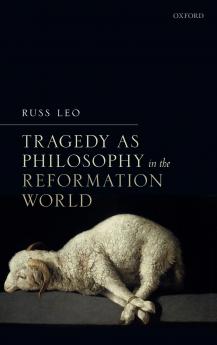
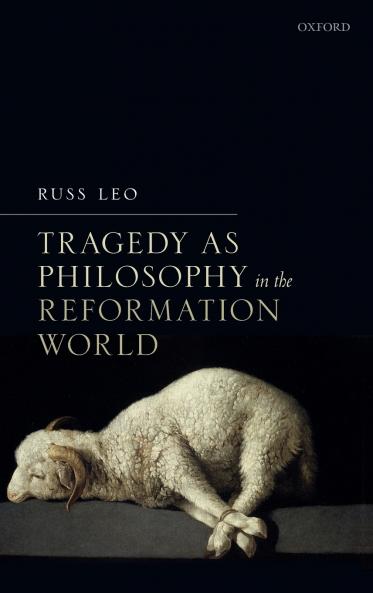
<em>Tragedy as Philosophy in the Reformation World</em> examines how sixteenth- and seventeenth-century poets theologians and humanist critics turned to tragedy to understand providence and agencies human and divine in the crucible of the Reformation. Rejecting familiar assumptions about tragedy vital figures like Philipp Melanchthon David Pareus Lodovico Castelvetro John Rainolds and Daniel Heinsius developed distinctly philosophical ideas of tragedy irreducible to drama or performance inextricable from rhetoric dialectic and metaphysics. In its proximity to philosophy tragedy afforded careful readers crucial insight into causality probability necessity and the terms of human affect and action. With these resources at hand poets and critics produced a series of daring and influential theses on tragedy between the 1550s and the 1630s all directly related to pressing Reformation debates concerning providence predestination faith and devotional practice. Under the influence of Aristotle's Poetics they presented tragedy as an exacting forensic tool enabling attentive readers to apprehend totality. And while some poets employed tragedy to render sacred history palpable with new energy and urgency others marshalled a precise philosophical notion of tragedy directly against spectacle and stage-playing endorsing anti-theatrical theses on tragedy inflected by the antique <em>Poetics</em>. In other words this work illustrates the degree to which some of the influential poets and critics in the period emphasized philosophical precision at the expense of--even to the exclusion of--dramatic presentation. In turn the work also explores the impact of scholarly debates on more familiar works of vernacular tragedy illustrating how William Shakespeare's <em>Hamlet</em> and John Milton's 1671 poems take shape in conversation with philosophical and philological investigations of tragedy. <em>Tragedy as Philosophy in the Reformation World</em> demonstrates how Reformation took shape in poetic as well as theological and political terms while simultaneously exposing the importance of tragedy to the history of philosophy.<br>

Piracy-free

Assured Quality

Secure Transactions

Fast Delivery

Sustainably Printed
Details
ISBN 13
9780198834212
Publication Date
-29-03-2019
Pages
-308
Weight
-532 grams
Dimensions
-156x234x19.05 mm
