


English



Hardback
₹15546
₹20472
24.06% OFF
(All inclusive*)
Delivery Options
Please enter pincode to check delivery time.
*COD & Shipping Charges may apply on certain items.
Review final details at checkout.
Looking to place a bulk order? SUBMIT DETAILS
Delivery Options
Please enter pincode to check delivery time.
*COD & Shipping Charges may apply on certain items.
Review final details at checkout.
About The Book
Description
Author(s)
Shoutouts
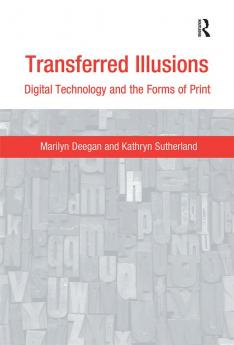
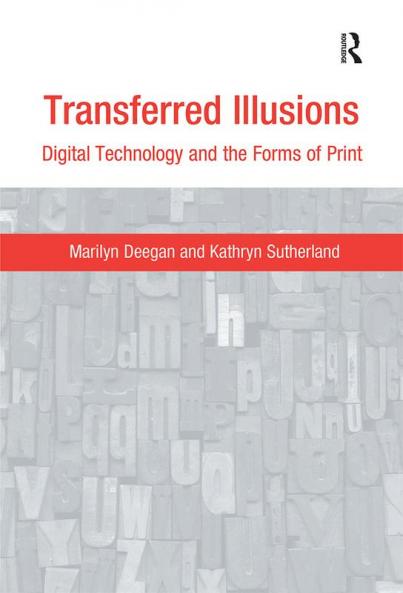
This is a study of the forms and institutions of print - newspapers books scholarly editions publishing libraries - as they relate to and are changed by emergent digital forms and institutions. In the early 1990s hypertext was briefly hailed as a liberating writing tool for non-linear creation. Fast forward no more than a decade and we are reading old books from screens. It is however the newspaper for around two hundred years print's most powerful mass vehicle whose economy persuasively shapes its electronic remediation through huge digitization initiatives dominated by a handful of centralizing service providers funded and wrapped round by online advertising. The error is to assume a culture of total replacement. The Internet is just another information space sharing characteristics that have always defined such spaces - wonderfully effective and unstable loaded with valuable resources and misinformation; that is both good and bad. This is why it is important that writers critics publishers and librarians - in modern parlance the knowledge providers - be critically engaged in shaping and regulating cyberspace and not merely the passive instruments or unreflecting users of the digital tools in our hands.

Piracy-free

Assured Quality

Secure Transactions

Fast Delivery

Sustainably Printed
Details
ISBN 13
9780754670162
Publication Date
-28-03-2009
Pages
-224
Weight
-417 grams
Dimensions
-156x234x13.51 mm
