

English


Paperback
₹4246
₹5184
18.09% OFF
(All inclusive*)
Delivery Options
Please enter pincode to check delivery time.
*COD & Shipping Charges may apply on certain items.
Review final details at checkout.
Looking to place a bulk order? SUBMIT DETAILS
Delivery Options
Please enter pincode to check delivery time.
*COD & Shipping Charges may apply on certain items.
Review final details at checkout.
About The Book
Description
Author
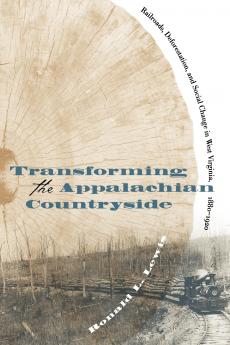
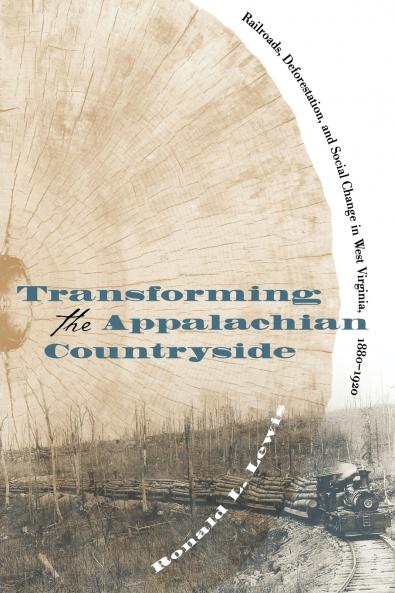
In 1880 ancient-growth forest still covered two-thirds of West Virginia but by the 1920s lumbermen had denuded the entire region. Ronald Lewis explores the transformation in these mountain counties precipitated by deforestation. As the only state that lies entirely within the Appalachian region West<br/>Virginia provides an ideal site for studying the broader social impact of deforestation in Appalachia the South and the eastern United States.<br/><br/>Most of West Virginia was still dominated by a backcountry economy when the industrial transition began. In short order however railroads linked remote mountain settlements directly to<br/>national markets hauling away forest products and returning with manufactured goods and modern ideas. Workers from the countryside and abroad swelled new mill towns and merchants ventured into<br/>the mountains to fulfill the needs of the growing population. To protect their massive investments capitalists increasingly extended control over the state's legal and political systems.<br/><br/>Eventually though even ardent supporters of industrialization had reason to contemplate the consequences of unregulated exploitation. Once the timber was gone the mills closed and the railroads pulled up their tracks leaving behind an environmental disaster and a new class of marginalized rural poor to confront the worst depression in American history.

Piracy-free

Assured Quality

Secure Transactions

Fast Delivery

Sustainably Printed
Details
ISBN 13
9780807847060
Publication Date
-29-06-1998
Pages
-368
Weight
-498 grams
Dimensions
-152x229x20.83 mm
