


English



Hardback
₹14661
₹18368
20.18% OFF
(All inclusive*)
Delivery Options
Please enter pincode to check delivery time.
*COD & Shipping Charges may apply on certain items.
Review final details at checkout.
Looking to place a bulk order? SUBMIT DETAILS

Piracy-free

Assured Quality

Secure Transactions
About The Book
Description
Author(s)
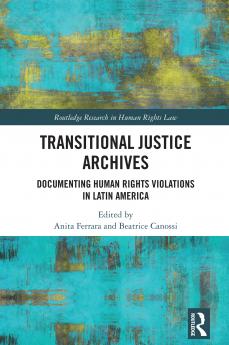
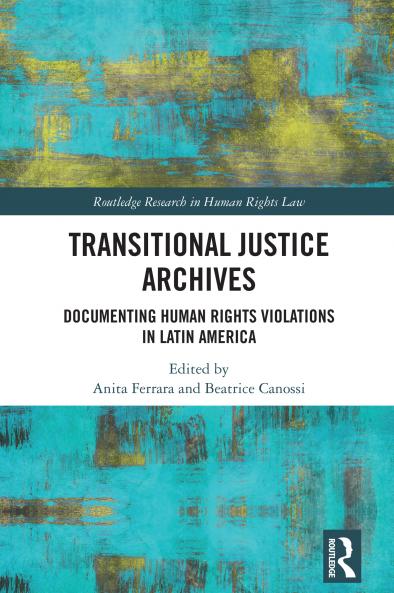
<p>Latin America has amassed comprehensive expertise in generating managing and providing access to archives documenting widespread human rights violations. This book explores and traces the multiple pathways that led to the creation and production of transitional justice archives in selected Latin American countries. Examining how transitional justice mechanisms have gathered and organised evidence by way of comparing traditional methods used in previous cases with the innovations introduced by digital technologies the work also shows that the methods used to produce and create transitional justice archives will significantly affect their future utilisation.</p><p>Presenting the viewpoints of archivists scholars and professionals engaged in truth commissions and trials it incorporates perspectives from diverse fields such as law human rights archival studies history anthropology and criminology. The volume is divided into two parts. The first focuses on case studies from Argentina Chile and Peru. Argentina and Chile have played a leading role in the development management and accessibility of extensive records documenting human rights abuses that occurred during the dictatorships in both countries. In the second part academics and professionals of the Integrated System for Peace Colombia's most recent transitional justice framework discuss current challenges and developments in building the archives of the ongoing transitional justice process.</p><p>This book will be of significant interest to researchers and academics of transitional justice and human rights as well as archivists and historians specialising in human rights.</p>
Piracy-free
Assured Quality
Secure Transactions
Delivery Options
Please enter pincode to check delivery time.
*COD & Shipping Charges may apply on certain items.
Review final details at checkout.
Details
ISBN 13
9781041003397
Publication Date
-21-05-2025
Pages
-200
Weight
-384 grams
Dimensions
-155.96x233.93x12.28 mm
