

English


Paperback
₹4706
₹4719
0.28% OFF
(All inclusive*)
Delivery Options
Please enter pincode to check delivery time.
*COD & Shipping Charges may apply on certain items.
Review final details at checkout.
Looking to place a bulk order? SUBMIT DETAILS
Delivery Options
Please enter pincode to check delivery time.
*COD & Shipping Charges may apply on certain items.
Review final details at checkout.
About The Book
Description
Author
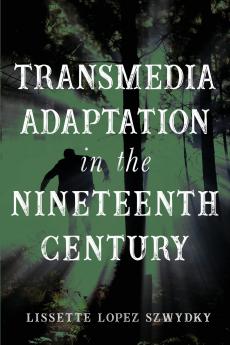
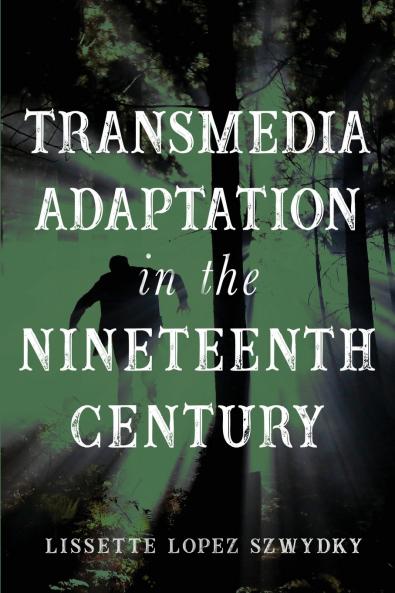
How did Mary Shelley's&nbsp;<i>Frankenstein&nbsp;</i>give rise to the iconic green monster everyone knows today? In 1823 only five years after publication Shelley herself saw the Creature come to life on stage and this performance shaped the story's future. Suddenly thousands of people who had never read Shelley's novel were participating in its cultural animation. Similarly early adaptations magnified the reception and renown of all manner of nineteenth-century literary creations from Byron and Keats to Dickens and Tennyson and beyond. Yet until now adaptation has been seen as a largely modern phenomenon.<br> &nbsp;<br> In&nbsp;<i>Transmedia Adaptation in the Nineteenth Century&nbsp;</i>Lissette Lopez Szwydky convincingly historicizes the practice of adaptation drawing on multiple disciplines to illustrate narrative mobility across time culture and geography. Case studies from stage plays literature painting illustration chapbooks and toy theaters position adaptation as a central force in literary history that ensures continued cultural relevance accessibility and survival. The history of these forms helps to inform and put into context our contemporary obsessions with popular media. Finally in upending a traditional understanding of canon by arguing that adaptation creates canon and not the other way around Szwydky provides crucial bridges between nineteenth-century literary scholarship adaptation studies and media studies thus identifying new stakes for all.<br> &nbsp;

Piracy-free

Assured Quality

Secure Transactions

Fast Delivery

Sustainably Printed
Details
ISBN 13
9780814255872
Publication Date
-11-05-2023
Pages
-274
Weight
-375 grams
Dimensions
-152x229x15.71 mm
