

English


Paperback
₹5344
(All inclusive*)
Delivery Options
Please enter pincode to check delivery time.
*COD & Shipping Charges may apply on certain items.
Review final details at checkout.
Looking to place a bulk order? SUBMIT DETAILS
Delivery Options
Please enter pincode to check delivery time.
*COD & Shipping Charges may apply on certain items.
Review final details at checkout.
About The Book
Description
Author
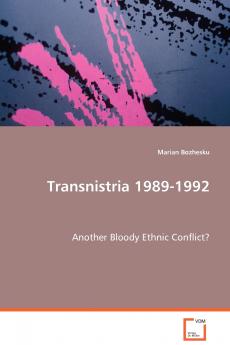
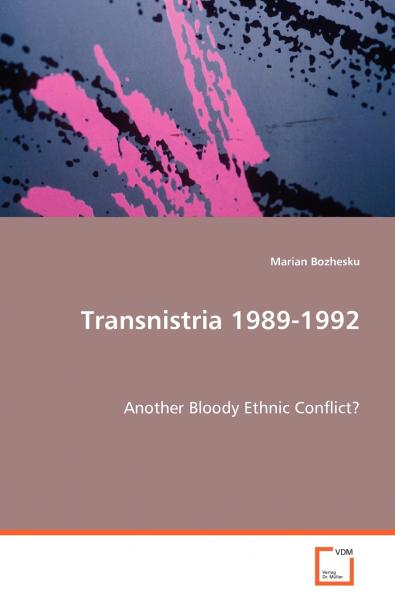
Transnistria is often referred to in both Russian and Western media as a frozen ethnic conflict. It became another of the many black holes throughout the former Soviet Union regions such as Chechnya Nagorno-Karabakh and Abkhazia where no long-term settlement has been reached and the writ of the central governments no longer run. The word ethnic has become a fashionable epithet of modern conflicts. However ethnic conflict is an umbrella term which allegedly explains everything or at least most that should be known about a particular conflict. It is a very comfortable means to describe the nature of a dispute while overlooking the fact that besides ethnic aspects there might be also other no less important issues interplaying in a complex mosaic. The present research will argue that the Transnistrian conflict is not ethnic but primarily geopolitical. Furthermore it broke out mainly as the result of the disproportionate interest and participation of the main political actors and namely the expressed interest and hyperactivity of Russia coupled with the reluctance of the other players to interfere with what is perceived to be the Russian sphere of influence.

Piracy-free

Assured Quality

Secure Transactions

Fast Delivery

Sustainably Printed
Details
ISBN 13
9783639062595
Publication Date
-04-08-2008
Pages
-64
Weight
-101 grams
Dimensions
-150x220x3.89 mm
