

by
V.R. Rao
English


Paperback
₹2381
₹2401
0.83% OFF
(All inclusive*)
Delivery Options
Please enter pincode to check delivery time.
*COD & Shipping Charges may apply on certain items.
Review final details at checkout.
Looking to place a bulk order? SUBMIT DETAILS
Delivery Options
Please enter pincode to check delivery time.
*COD & Shipping Charges may apply on certain items.
Review final details at checkout.
About The Book
Description
Author
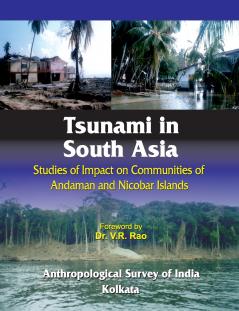
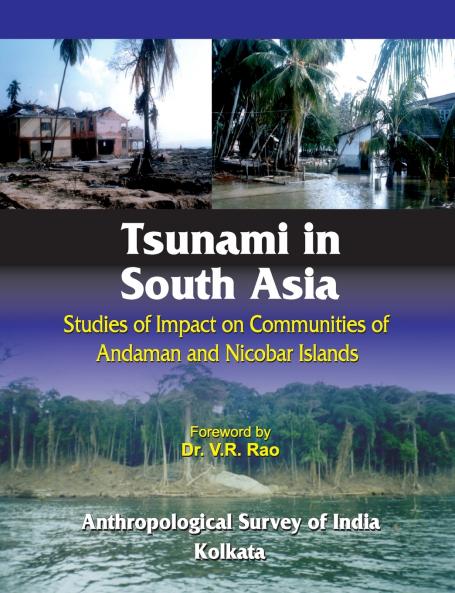
<p>The Anthropological Survey of India undertook a significant initiative titled the <em>Impact Assessment of Tsunami</em> in the immediate aftermath of the devastating 2004 tsunami. The primary objective of the study was to document the number of surviving deceased and missing individuals across affected communities. In addition data were collected on physical injuries to assess both short- and long-term morbidity impacts on the population.</p><p></p><p>A major focus was also placed on evaluating the extent of damage to people's livelihoods. Given that the Andaman and Nicobar archipelago is home to six distinct tribal groups special attention was given to recording oral traditions related to tsunamis and earthquakes as well as the survival strategies adopted by these communities. On the environmental front the study aimed to document geomorphological and ecological changes in the region and create comparative pre- and post-tsunami notional maps.</p><p>To achieve these goals thirteen locations across the archipelago were carefully selected considering both tribal and non-tribal populations and the geographic diversity of the islands. The communities studied included the Jarawa Great Andamanese Sentinelese Nicobarese Onges Shompen and settlers of Wandoor. Fieldwork was exceptionally challenging due to damaged infrastructure and unhygienic conditions. Despite these difficulties researchers collected valuable data. This book presents the findings from the first phase of the study conducted in January and February 2005.</p>

Piracy-free

Assured Quality

Secure Transactions

Fast Delivery

Sustainably Printed
Details
ISBN 13
9788184241891
Publication Date
-30-05-2025
Pages
-208
Weight
-386 grams
Dimensions
-189x246x11.18 mm
